About
About UCFarms
UCFarms is building a farm to table experience for residents, restaurants, corner stores, and local organizations. We also want people to understand what’s in their food. Our educational resources explore the vitamins, minerals, other nutrients, and functional compounds found in produce and explain their roles in the body.
Three principles guide how we grow food, share knowledge, and build with our community.
Rooted
Rooted means building with the people around us. That starts with listening to households, restaurants, corner stores, small grocers, and local organizations so what we grow reflects what people actually want. As the farm grows, we aim to create local jobs, offer hands on training, and help people learn more about their food.
Tested
We want people to know what we check and what the results tell us. Once harvesting begins, we plan to send produce samples to independent laboratories to check for harmful bacteria. We’ll explain what was tested and share the results from those lab reports.
Our website currently uses USDA data as a reference for the nutrient amounts found in different foods. Those amounts are not measurements of our own harvests. When we have our crops tested for nutrients, we’ll clearly label those results as measurements of UCFarms produce and show them separately from the USDA information.
Sovereign
For us, sovereignty means building more local control over our food. We want to contribute to a community where people support one another, share knowledge, learn together, and grow together.
Investing in Our Community
As UCFarms grows, we want to put a portion of our profits back into the community. That includes supporting youth programs and helping fund childcare services, such as daycare and babysitting. We also want to organize UCFarms community events where people can learn, build relationships, and spend time together.
This reinvestment could also help fund nonpolice organizations working in community violence intervention and mediation. Our approach to community safety centers on holistic, nonpunitive work: building trusted relationships, addressing people’s needs, and helping resolve conflict.
These goals build on our experience bringing mentorship, education, nutrition, and physical activity together through the Level Up Program.
Where we direct that support will depend on local needs and the resources available as we grow.
Our Community Work: The Level Up Program
Urban Container Farmers received a $3,300 Youth Amplification Grant through Trenton Community Street Team and Isles, administered by Building A Better Way for Trenton. This support helped us bring together mentorship, tutoring, nutrition education, and physical activity through our Level Up Program.
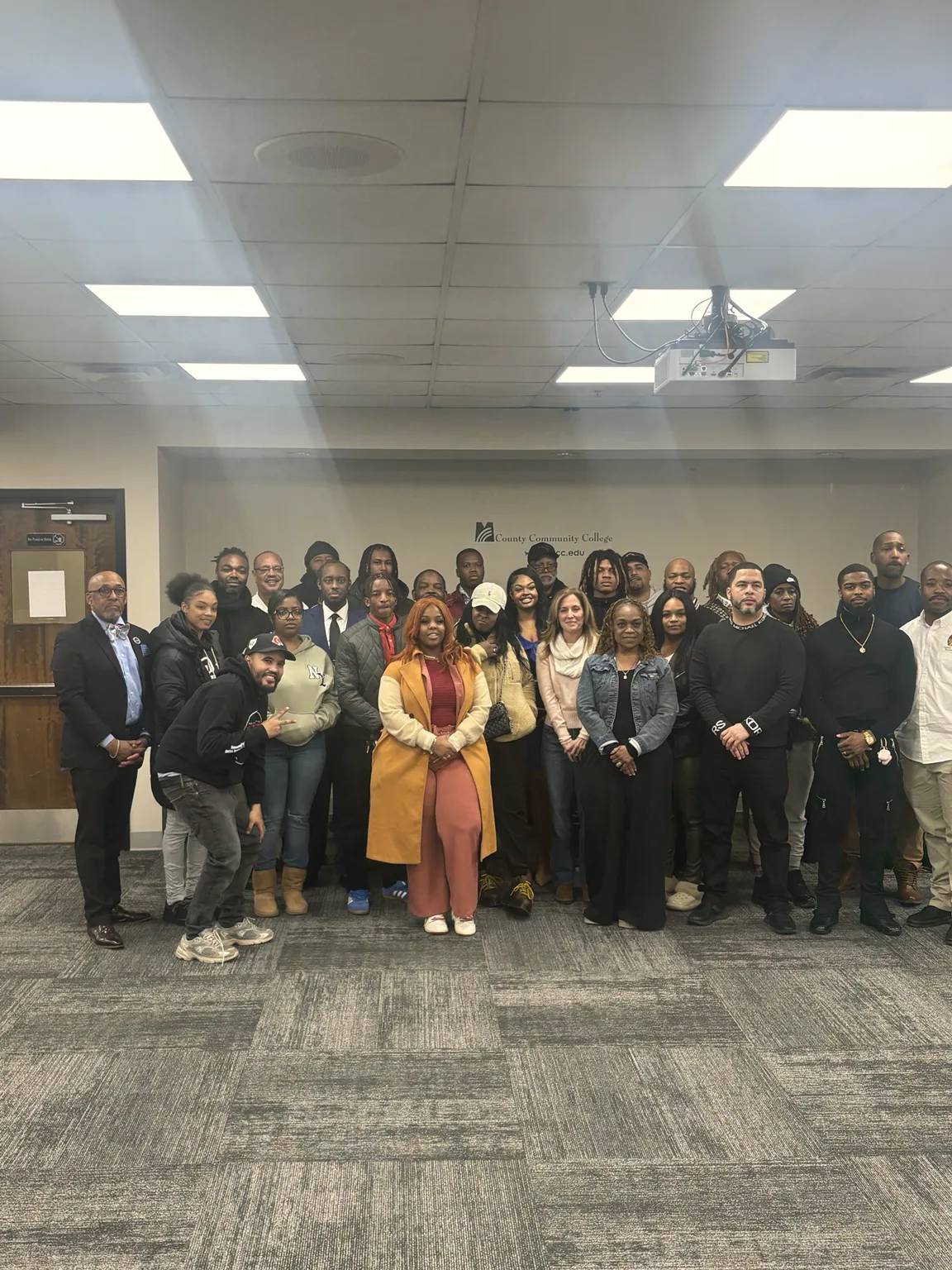
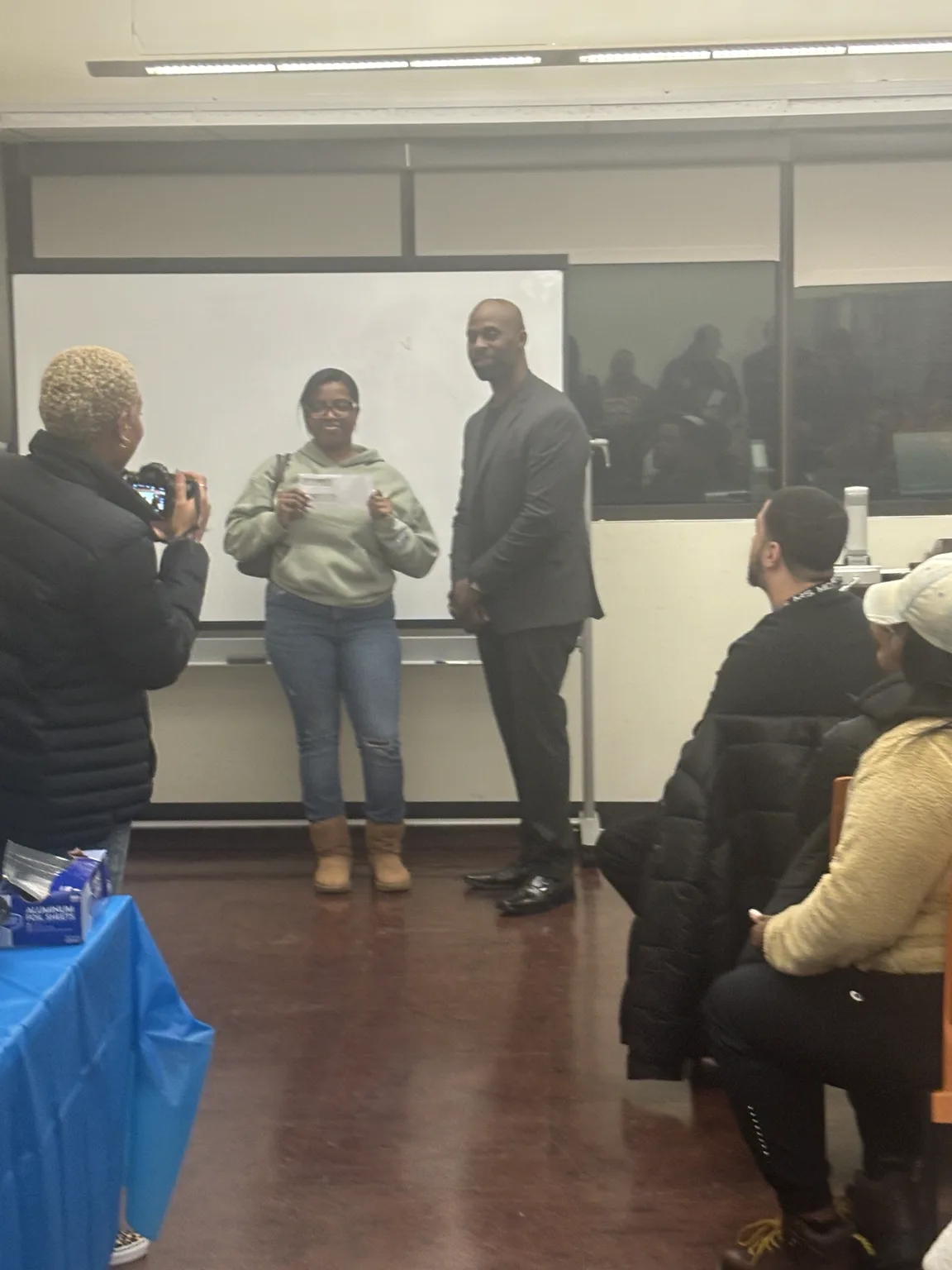
Level Up focuses on three connected areas of development: Body, Mind, and Path.
Body
We help students develop consistent physical routines, recognize their starting point, and follow their progress through calisthenics. Boxing, running, conditioning, and other training opportunities give students different ways to participate and develop their abilities.
Caring for the body also includes food. Shared meals, fresh juices, and nutrition education give students opportunities to learn about what they eat and how nutrients support the body.
Mind
We connect students with spaces where they can speak openly, reflect on their experiences, and build accountability through trusted relationships. Conversations with mentors, elders, and peers create opportunities to exchange knowledge, work through challenges, and feel connected to a community.
Tutoring and dedicated study time also support learning and academic development.
Path
We want students to have time, space, and support to explore what matters to them. Their interests might include art, mechanics, athletics, music, teaching, technology, or creating content. Level Up’s goal is to help them identify a direction and take practical steps toward it.
Body, Mind, and Path in Practice
Through Level Up, students participated in community spaces for conversation, tutoring, and physical training. Mentorship and food and nutrition activities connected these experiences to the program’s three areas of focus.
- Razor Sharp Barbershop, Barbershop Conversations: A gathering space where men across generations discuss mental, spiritual, physical, and financial well-being. Students connected with elders and mentors, shared perspectives, exchanged resources, and built relationships within their community.
- Inside Circle at the James R. Halsey Foundation of the Arts: A space for honest conversation, reflection, and brotherhood. Students had opportunities to express themselves, work through difficult experiences, and develop accountability alongside others.
- Kumon Math & Reading Center: Tutoring and academic support that helped students develop their math and reading skills.
- Beast Boxing Gym: Boxing training and physical activity that gave students opportunities to practice technique, self-control, and consistency.
- Arlee’s Raw Blends: A local juice shop where we used grant funding to purchase fresh juices, including beet juice, for students. These purchases supported our food and nutrition activities alongside the students’ physical training.
- Trenton Community Street Team mentors: Mentors who supported students through physical training, studying, shared lunches, and regular check-ins.
Through these connections, we want young people to know they have people to learn from, places where they belong, and support as they develop their path.