Dietary fiber
Dietary fiber is carbohydrate that escapes digestion in the small intestine. Different fibers behave differently; a total-fiber number does not tell you which types a food contains.
What it does, and how
Understand what the number describes
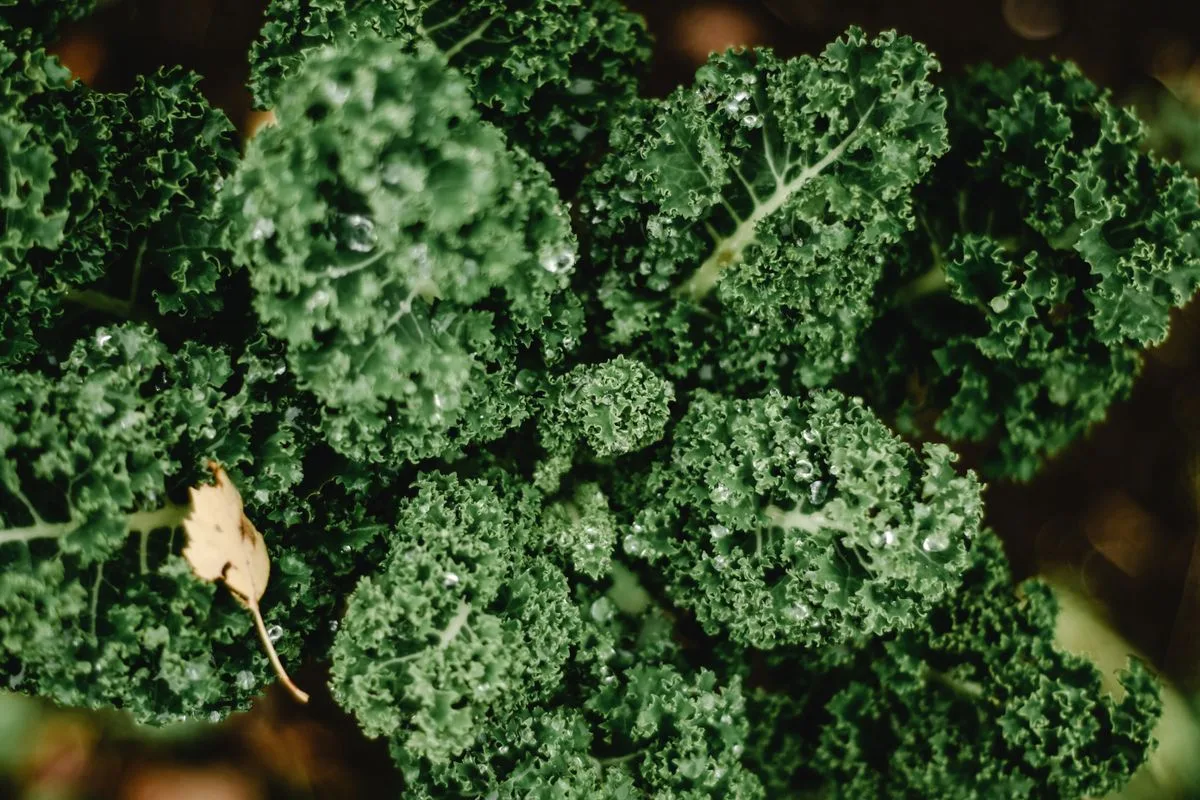
The Kale record reports total dietary fiber. It does not separate soluble and insoluble fiber. Those categories describe fiber, and are different from the fat-soluble and water-soluble categories used for vitamins.
Where it works in the body
A nutrient can take part in more than one body system. Follow a connection to see how its work fits together with other nutrients.
Source-backed body-system relationships will appear here.
Reference food in our crop catalog
Reference composition
Reference data
Sources & references (11)
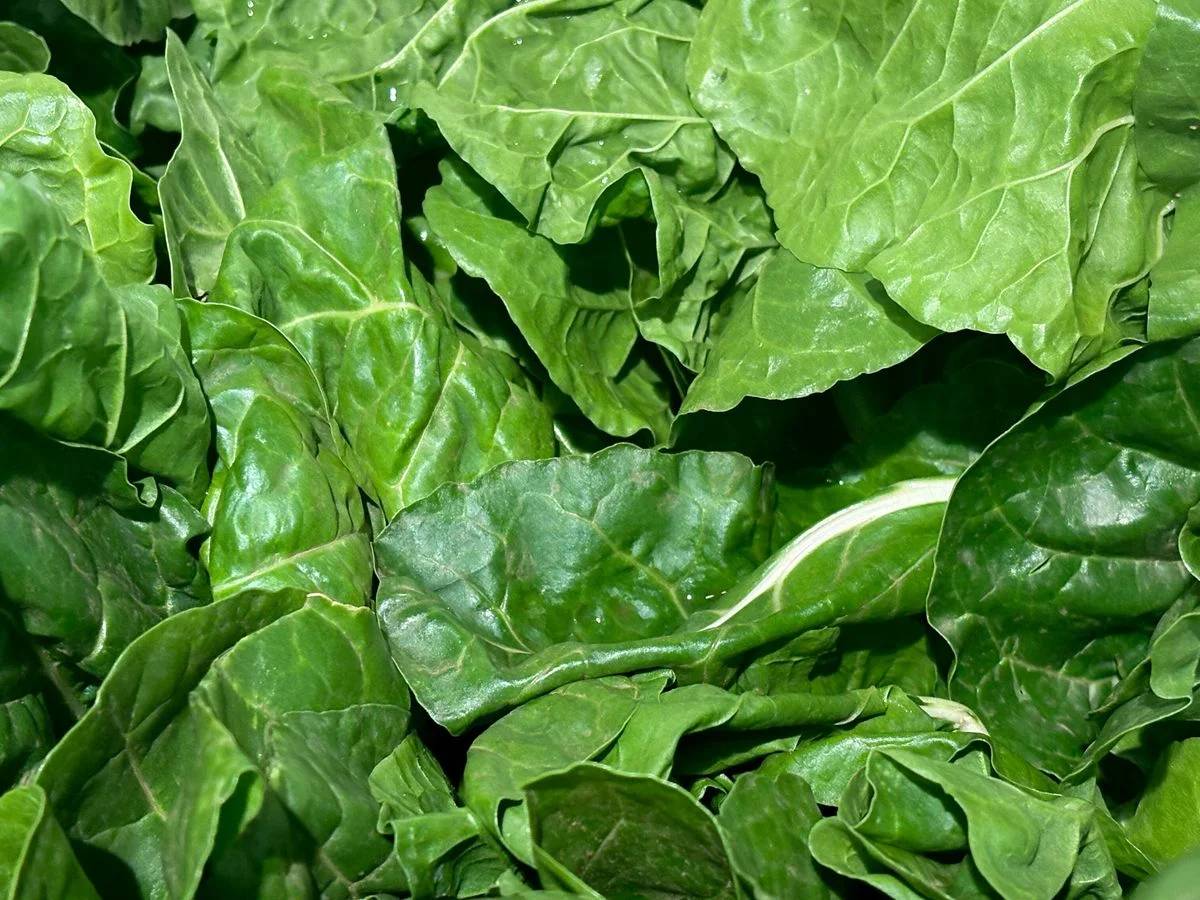
- Spinach, raw, USDA FoodData Central 168462 · U.S. Department of AgricultureSelected nutrient amounts per 100 g raw edible spinach. Reference food, not a UCFarms harvest measurement.Source details in the Atlas: Spinach, raw, USDA FoodData Central 168462Verified from the official SR Legacy JSON download. The exact food record and source calculation are available in the crop reference profiles below.https://fdc.nal.usda.gov/fdc-datasets/FoodData_Central_sr_legacy_food_json_2018-04.zip
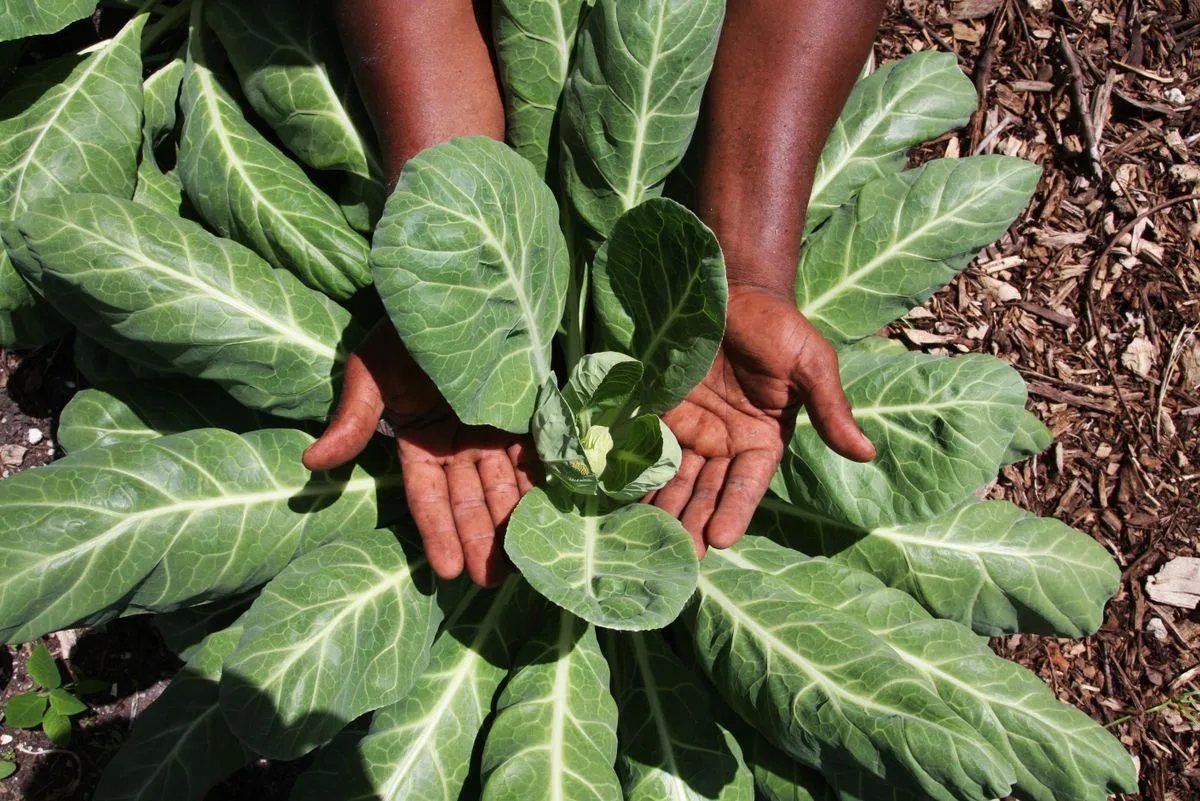
- Collards, raw, USDA FoodData Central 170406 · U.S. Department of AgricultureSelected nutrient amounts per 100 g raw edible collard greens. Reference food, not a UCFarms harvest measurement.Source details in the Atlas: Collards, raw, USDA FoodData Central 170406Verified from the official SR Legacy JSON download. The exact food record and source calculation are available in the crop reference profiles below.https://fdc.nal.usda.gov/fdc-datasets/FoodData_Central_sr_legacy_food_json_2018-04.zip
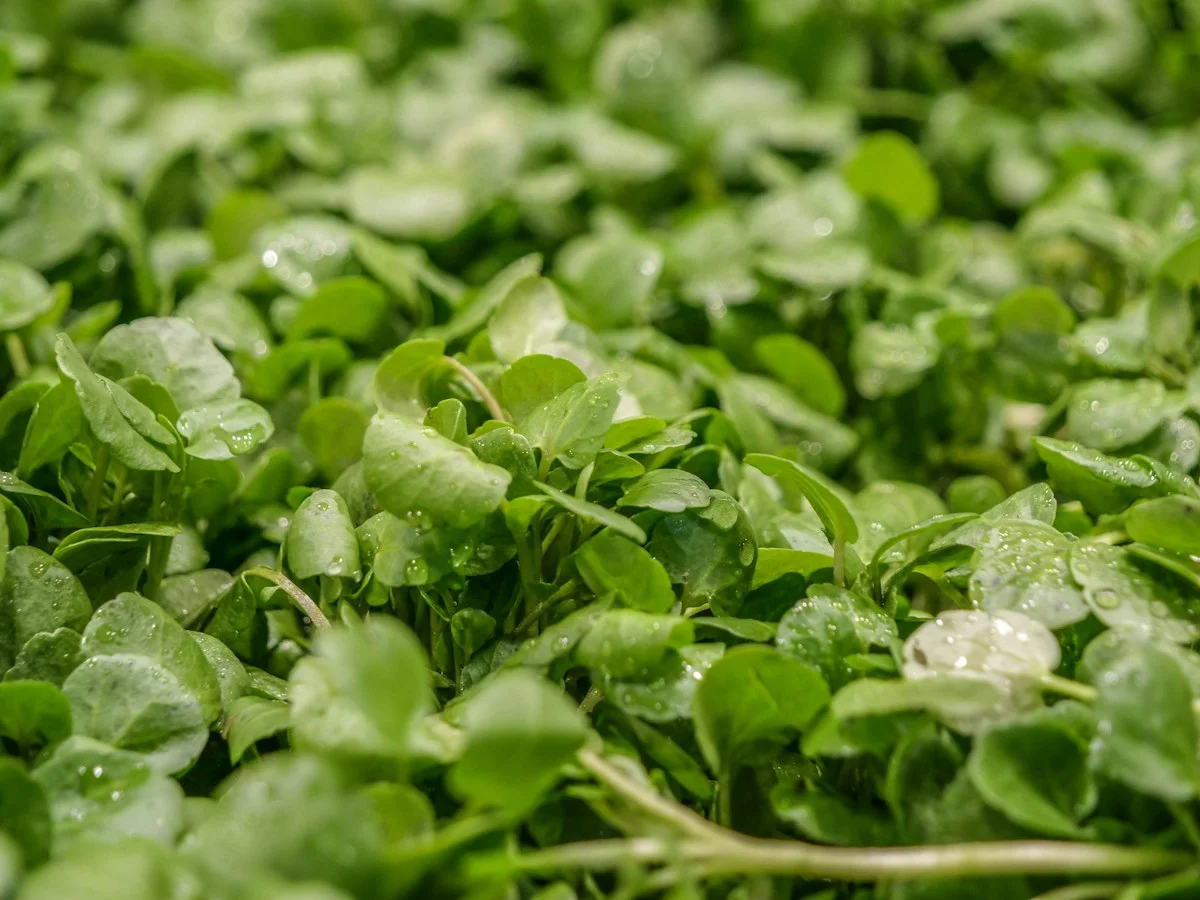
- Watercress, raw, USDA FoodData Central 170068 · U.S. Department of AgricultureSelected nutrient amounts per 100 g raw edible watercress. Reference food, not a UCFarms harvest measurement.Source details in the Atlas: Watercress, raw, USDA FoodData Central 170068Verified from the official SR Legacy JSON download. The exact food record and source calculation are available in the crop reference profiles below.https://fdc.nal.usda.gov/fdc-datasets/FoodData_Central_sr_legacy_food_json_2018-04.zip
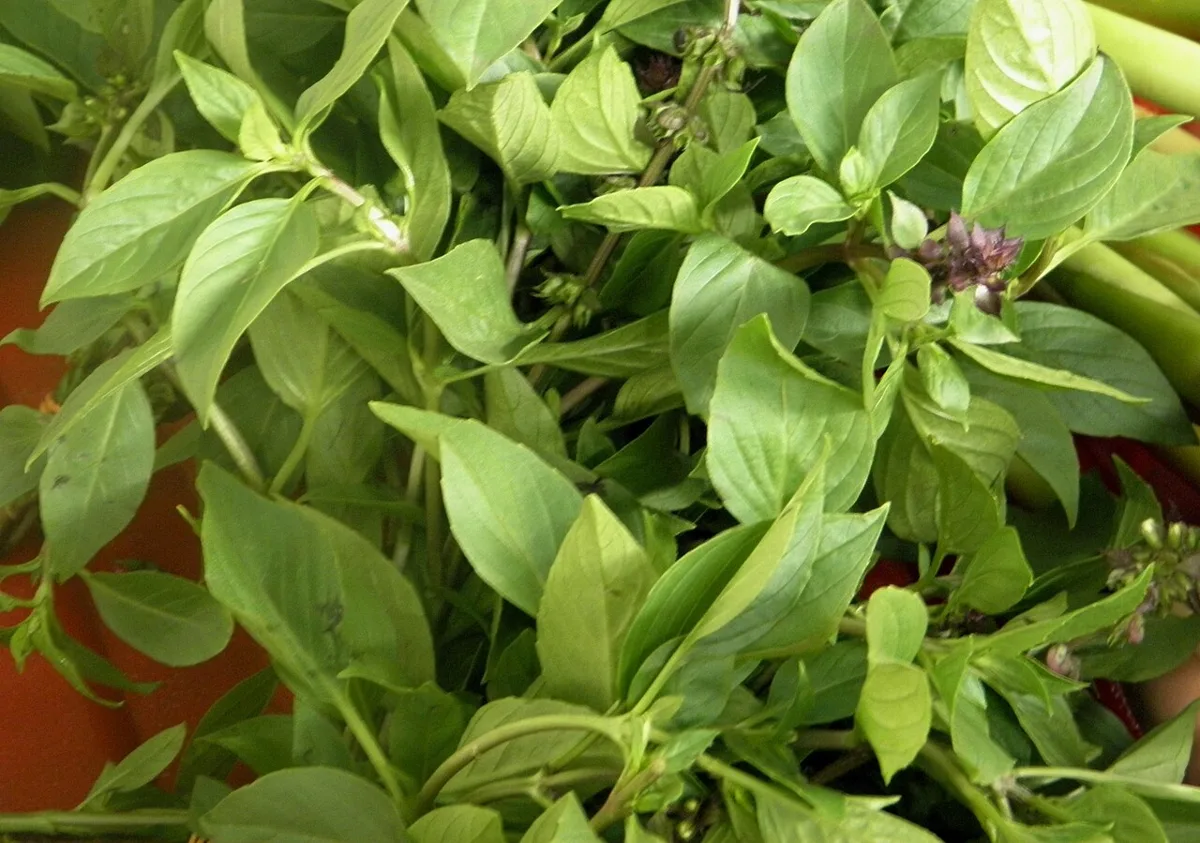
- Basil, fresh, USDA FoodData Central 172232 · U.S. Department of AgricultureSelected nutrient amounts per 100 g raw edible basil. Reference food, not a UCFarms harvest measurement.Source details in the Atlas: Basil, fresh, USDA FoodData Central 172232Verified from the official SR Legacy JSON download. The exact food record and source calculation are available in the crop reference profiles below.https://fdc.nal.usda.gov/fdc-datasets/FoodData_Central_sr_legacy_food_json_2018-04.zip
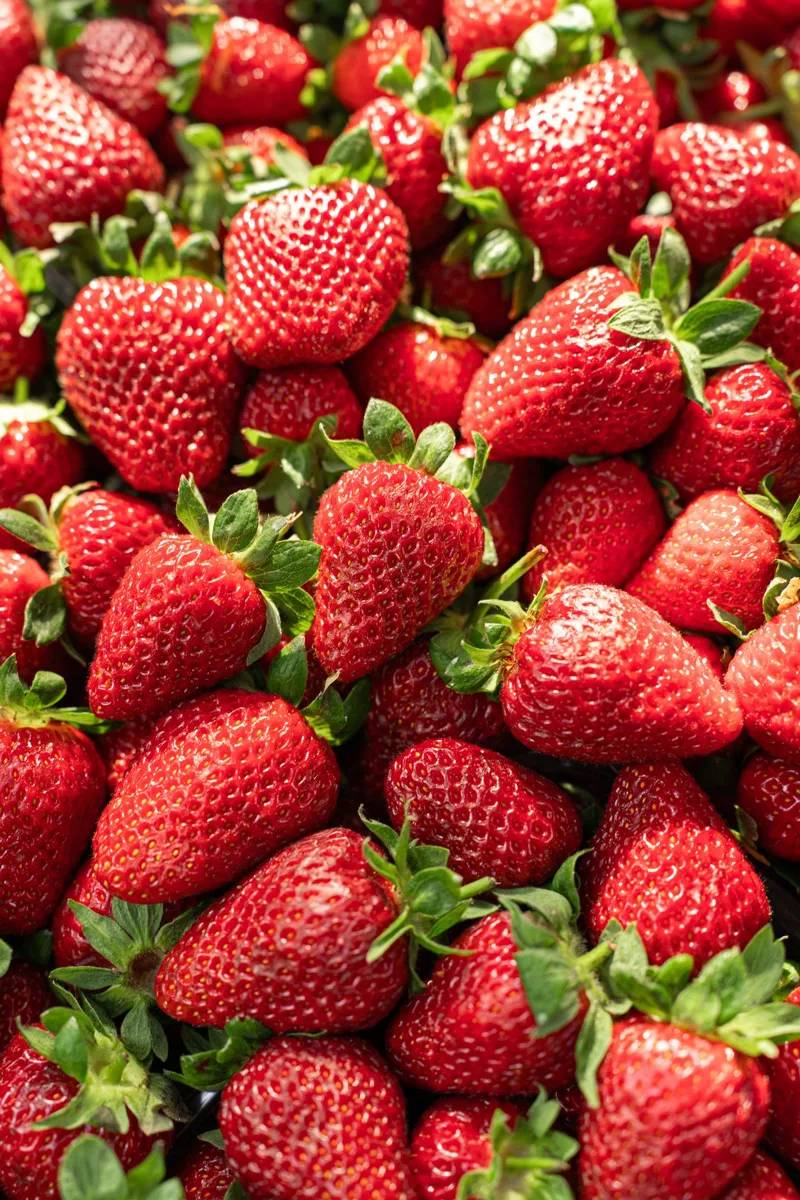
- Strawberries, raw, USDA FoodData Central 167762 · U.S. Department of AgricultureSelected nutrient amounts per 100 g raw edible strawberries. Reference food, not a UCFarms harvest measurement.Source details in the Atlas: Strawberries, raw, USDA FoodData Central 167762Verified from the official SR Legacy JSON download. The exact food record and source calculation are available in the crop reference profiles below.https://fdc.nal.usda.gov/fdc-datasets/FoodData_Central_sr_legacy_food_json_2018-04.zip
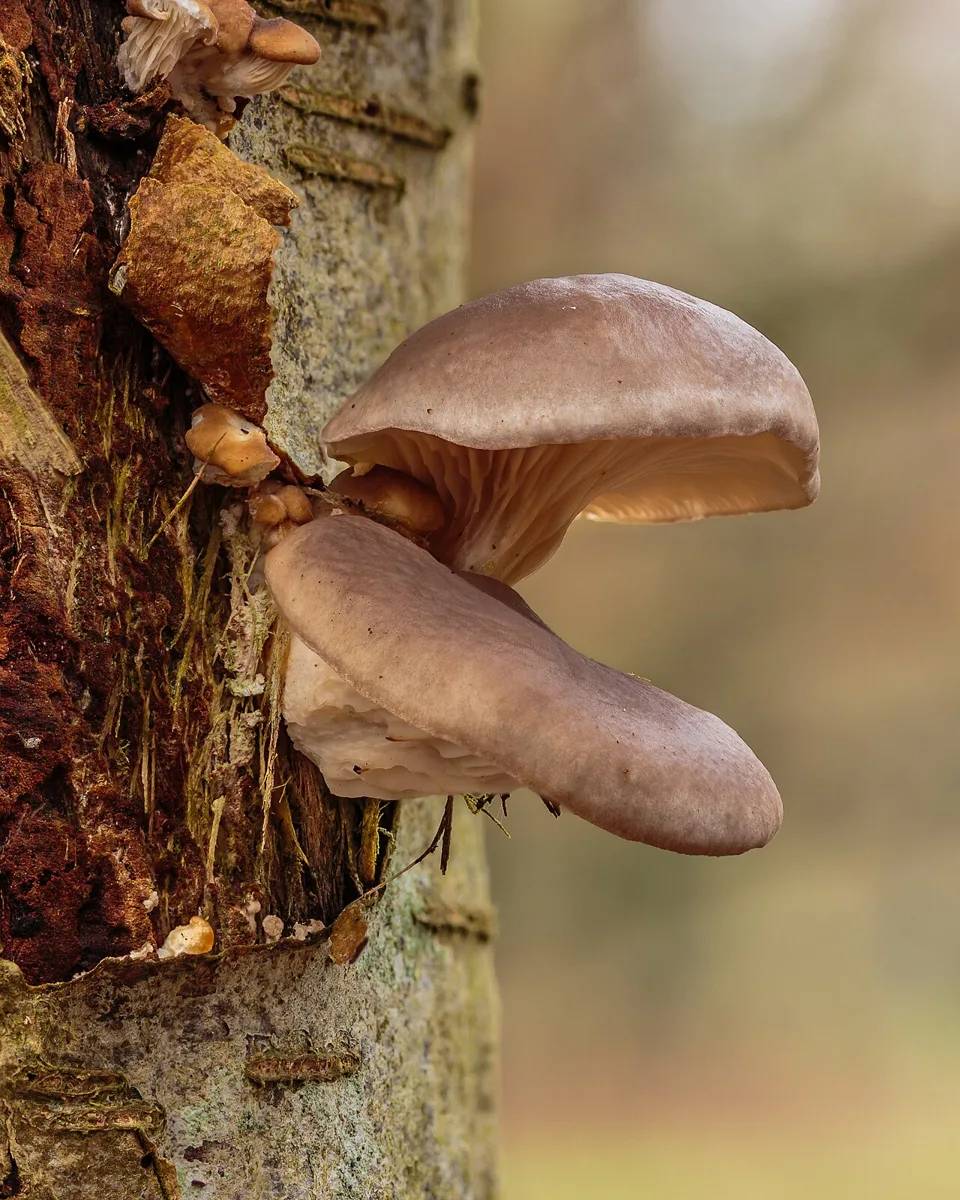
- Mushrooms, oyster, raw, USDA FoodData Central 168580 · U.S. Department of AgricultureSelected nutrient amounts per 100 g raw edible oyster mushroom. Reference food, not a UCFarms harvest measurement.Source details in the Atlas: Mushrooms, oyster, raw, USDA FoodData Central 168580Verified from the official SR Legacy JSON download. The exact food record and source calculation are available in the crop reference profiles below.https://fdc.nal.usda.gov/fdc-datasets/FoodData_Central_sr_legacy_food_json_2018-04.zip
- Kale, raw: FoodData Central 323505 · USDA Agricultural Research ServiceReference nutrient composition of raw kale, per 100 g edible portion.Source details in the Atlas: Kale, raw: FoodData Central 323505The audit used USDA’s Foundation Foods download. If this record link is unavailable, use the dataset or saved record below.https://fdc.nal.usda.gov/food-details/323505/nutrients
- Daily Value on the Nutrition and Supplement Facts Labels · U.S. Food and Drug AdministrationFDA Daily Values (adults and children 4+) used to compute % DV.Source details in the Atlas: Daily Value on the Nutrition and Supplement Facts Labelshttps://www.fda.gov/food/nutrition-facts-label/daily-value-nutrition-and-supplement-facts-labels
- Dietary Fiber: Interactive Nutrition Facts Label · U.S. government sourceSource details in the Atlas: Dietary Fiber: Interactive Nutrition Facts Labelhttps://www.accessdata.fda.gov/scripts/interactivenutritionfactslabel/assets/InteractiveNFL_DietaryFiber_October2021.pdf
- Foundation Foods JSON release 2026-04-30 · USDA Agricultural Research ServiceSource details in the Atlas: Foundation Foods JSON release 2026-04-30https://fdc.nal.usda.gov/fdc-datasets/FoodData_Central_foundation_food_json_2026-04-30.zip
- Foundation Foods Documentation · USDA Agricultural Research ServiceSource details in the Atlas: Foundation Foods Documentationhttps://fdc.nal.usda.gov/Foundation_Foods_Documentation/