Vitamin A
Vitamin A helps the eyes respond to light, supports the immune system and helps cells develop into the specialized types the body needs.
Read Vitamin A in the Atlas explorer, with its charts
Fat-soluble vitamin · What does that mean?What it does, and how
Maintain protective barriers and immune function
Vitamin A supports the cells that line body surfaces and helps the immune system function. These linings form barriers against microbes; they are part of the body's defenses, not just a covering.
Immune function · Evidence
Vitamin A contributes to normal immune function.
Normal physiological role only; does not establish an effect of eating Kale.
- Read sourceIntroduction: retinoids, rhodopsin, cell differentiation, and provitamin/non-provitamin carotenoids paragraphs
Help the eyes detect light
A form of vitamin A is part of rhodopsin, a light-sensitive protein in the retina at the back of the eye. This is one reason vitamin A is needed for normal vision, especially in dim light.
Vision · Evidence
Vitamin A participates in normal retinal visual processes.
Normal physiological role only; does not establish an effect of eating Kale.
- Read sourceIntroduction: retinoids, rhodopsin, cell differentiation, and provitamin/non-provitamin carotenoids paragraphs
Sources for the explanation
Help cells take on their different jobs
Cells become specialized to perform different tasks. Vitamin A helps regulate that process, called differentiation, which matters for the normal development and maintenance of tissues and organs, including skin.
Cellular differentiation · Evidence
Vitamin A participates in cell differentiation.
Normal physiological role only; does not establish an effect of eating Kale.
- Read sourceIntroduction: retinoids, rhodopsin, cell differentiation, and provitamin/non-provitamin carotenoids paragraphs
Sources for the explanation
Where it works in the body
A nutrient can take part in more than one body system. Follow a connection to see how its work fits together with other nutrients.
- Immune SystemVitamin A helps maintain protective tissue linings and supports immune function. Those barriers help keep microbes from entering the body.
- SkinVitamin A helps the body form and maintain skin. This is part of its wider job of helping cells grow and develop into the specialized types each tissue needs.
How does the body keep a supply? Learn about nutrient storage, depletion and replenishment.
Reference food in our crop catalog
Reference composition
Reference data
| Crop | Amount | % DV |
|---|---|---|
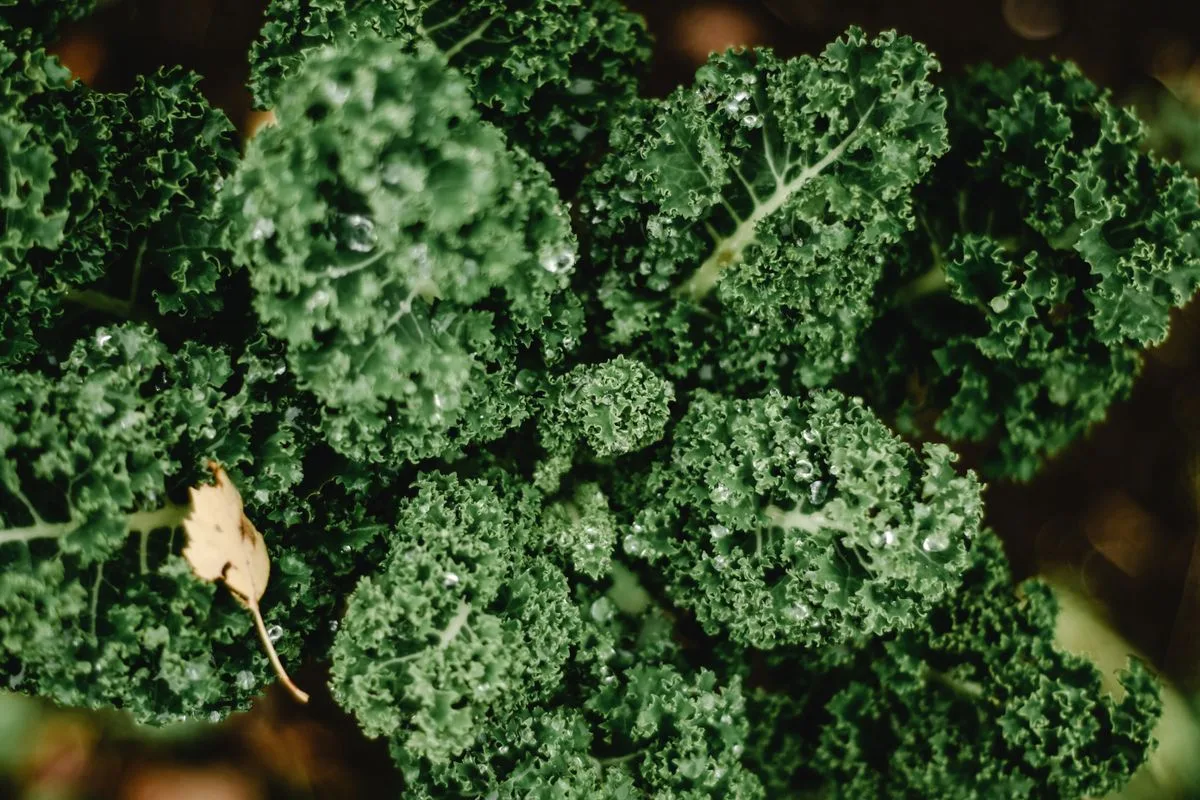
| KaleSource & calculation for Kale | 241 µg | 27% |
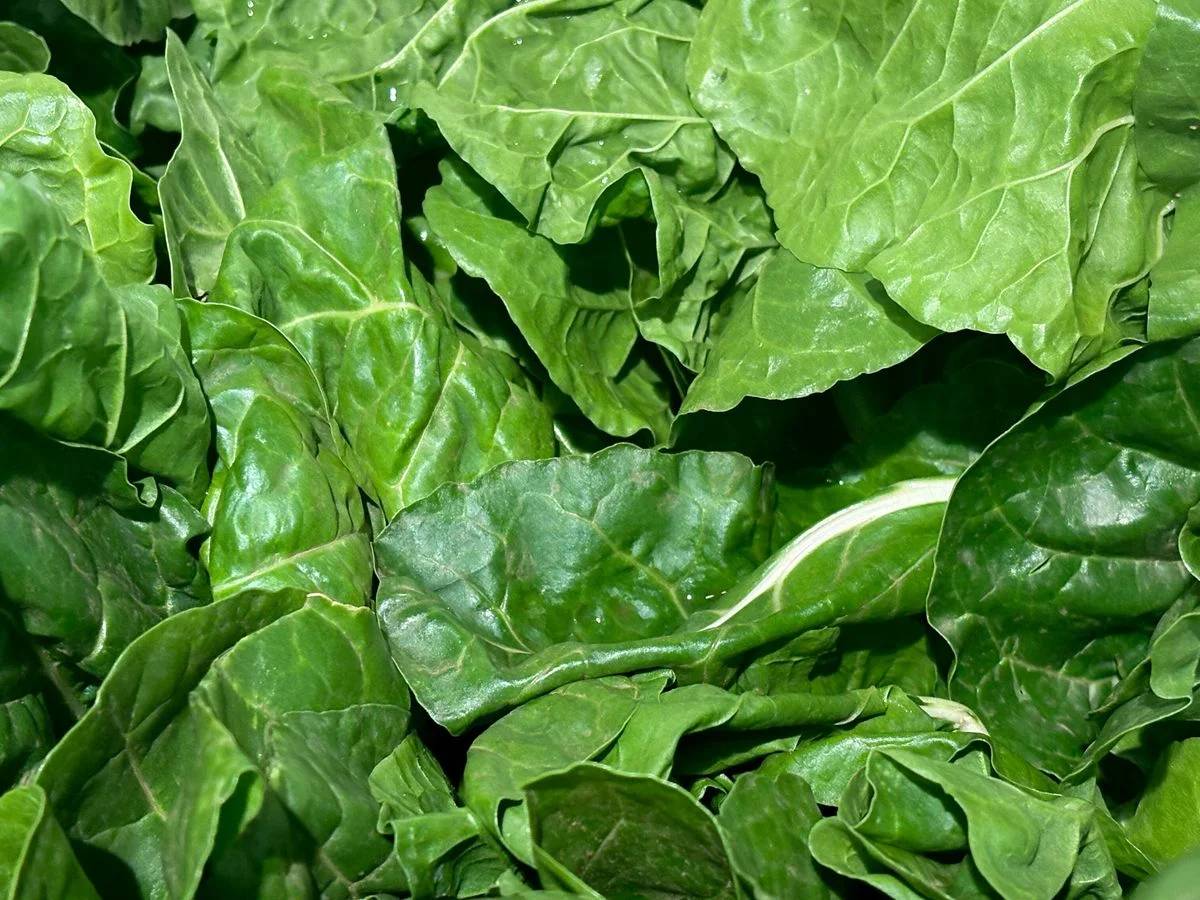
| SpinachSource & calculation for Spinach | 469 µg RAE | 52% |
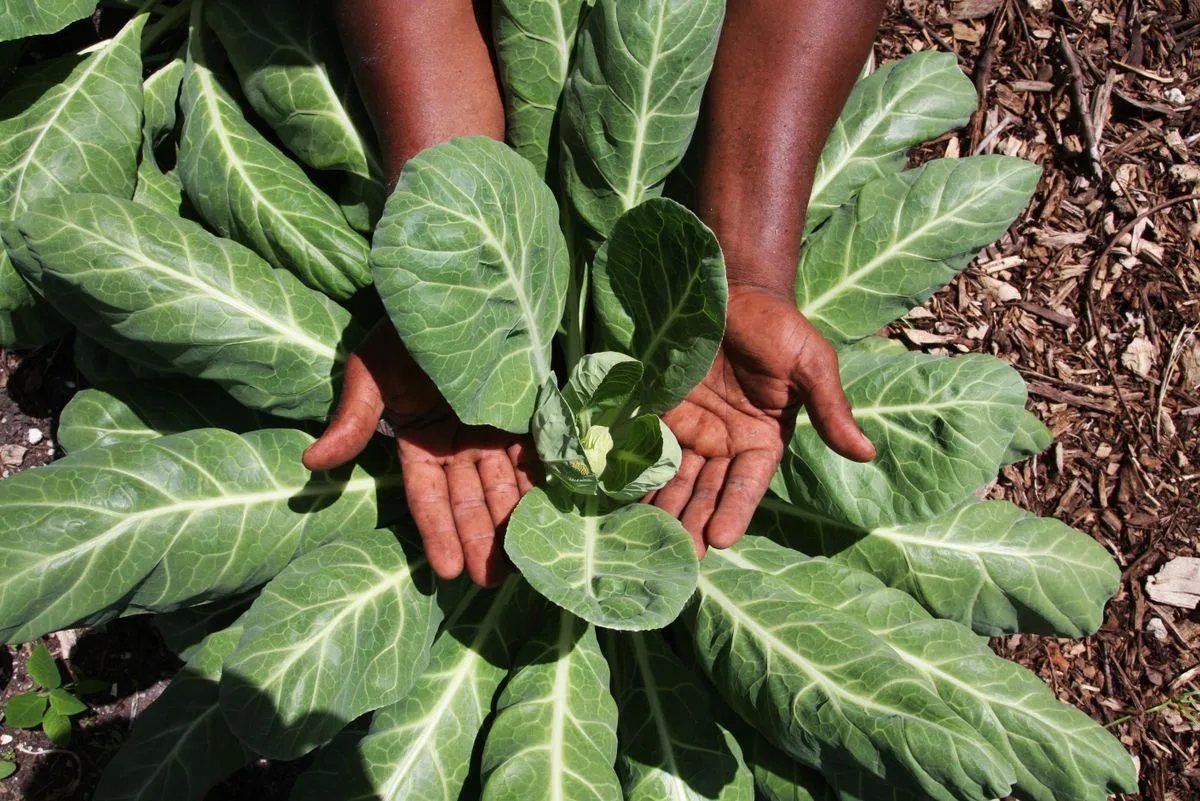
| Collard GreensSource & calculation for Collard Greens | 251 µg RAE | 28% |
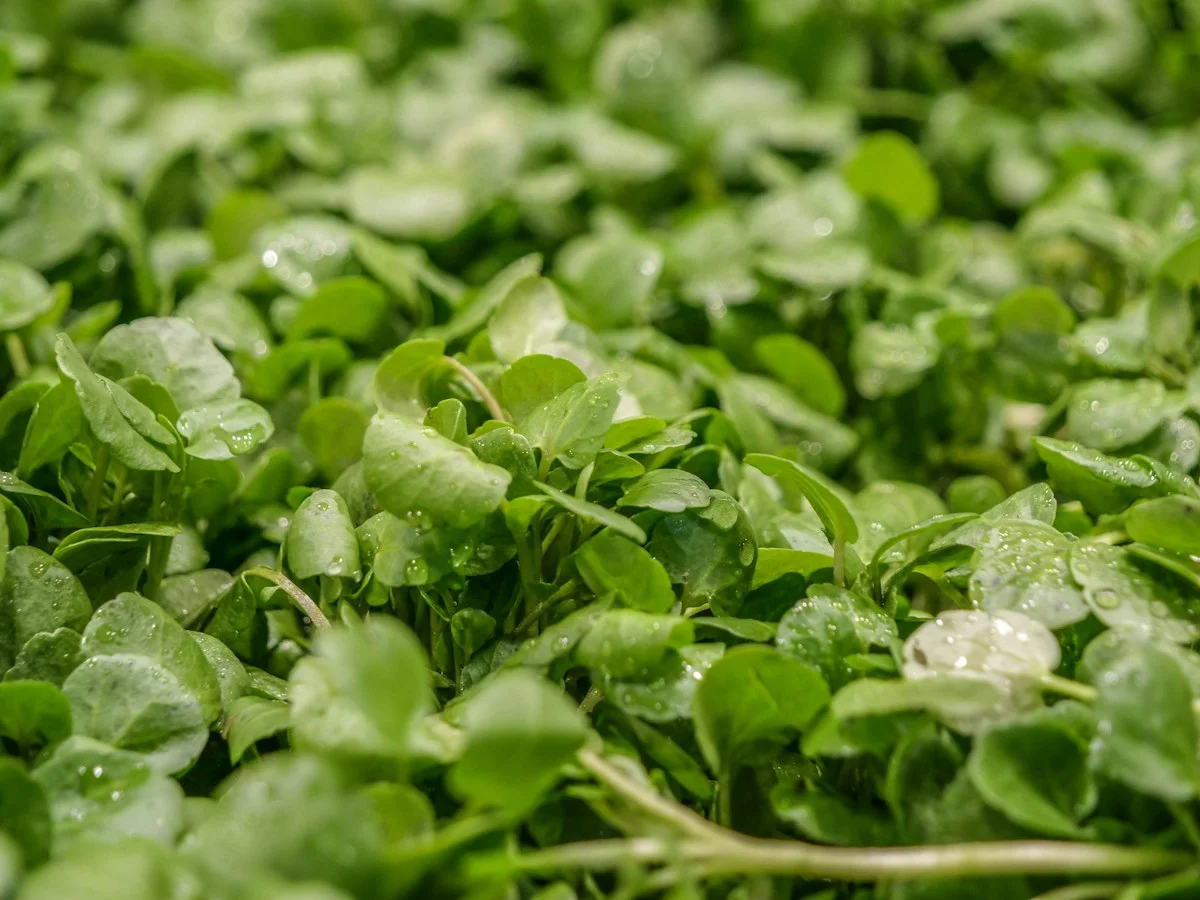
| WatercressSource & calculation for Watercress | 160 µg RAE | 18% |
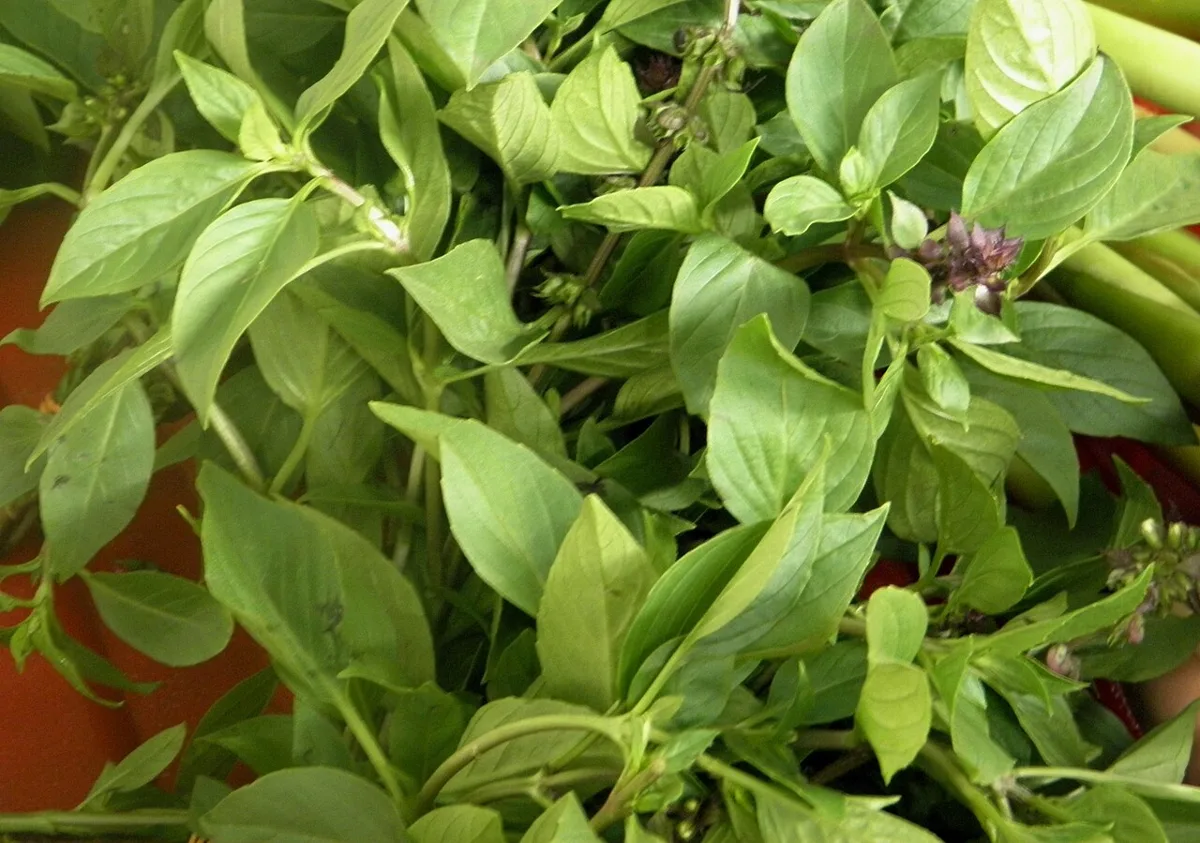
| BasilSource & calculation for Basil | 264 µg RAE | 29% |
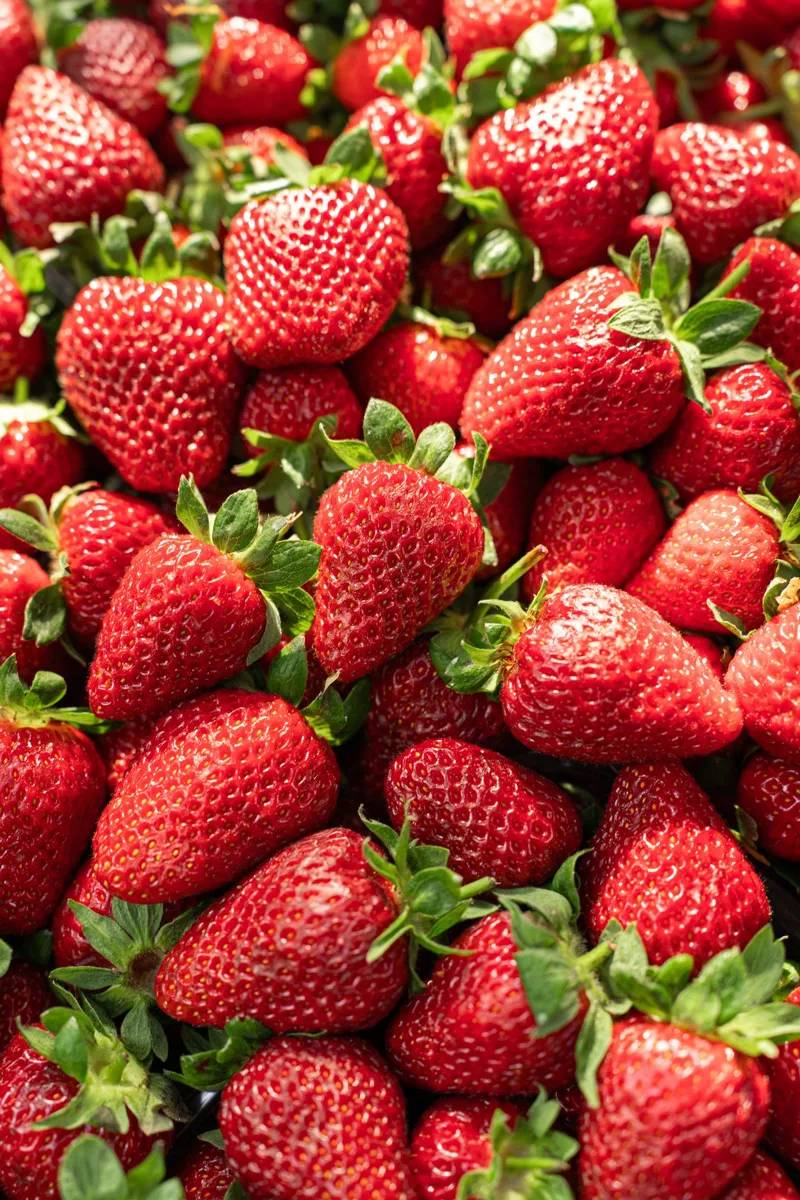
| StrawberriesSource & calculation for Strawberries | 1 µg RAE | 0% |
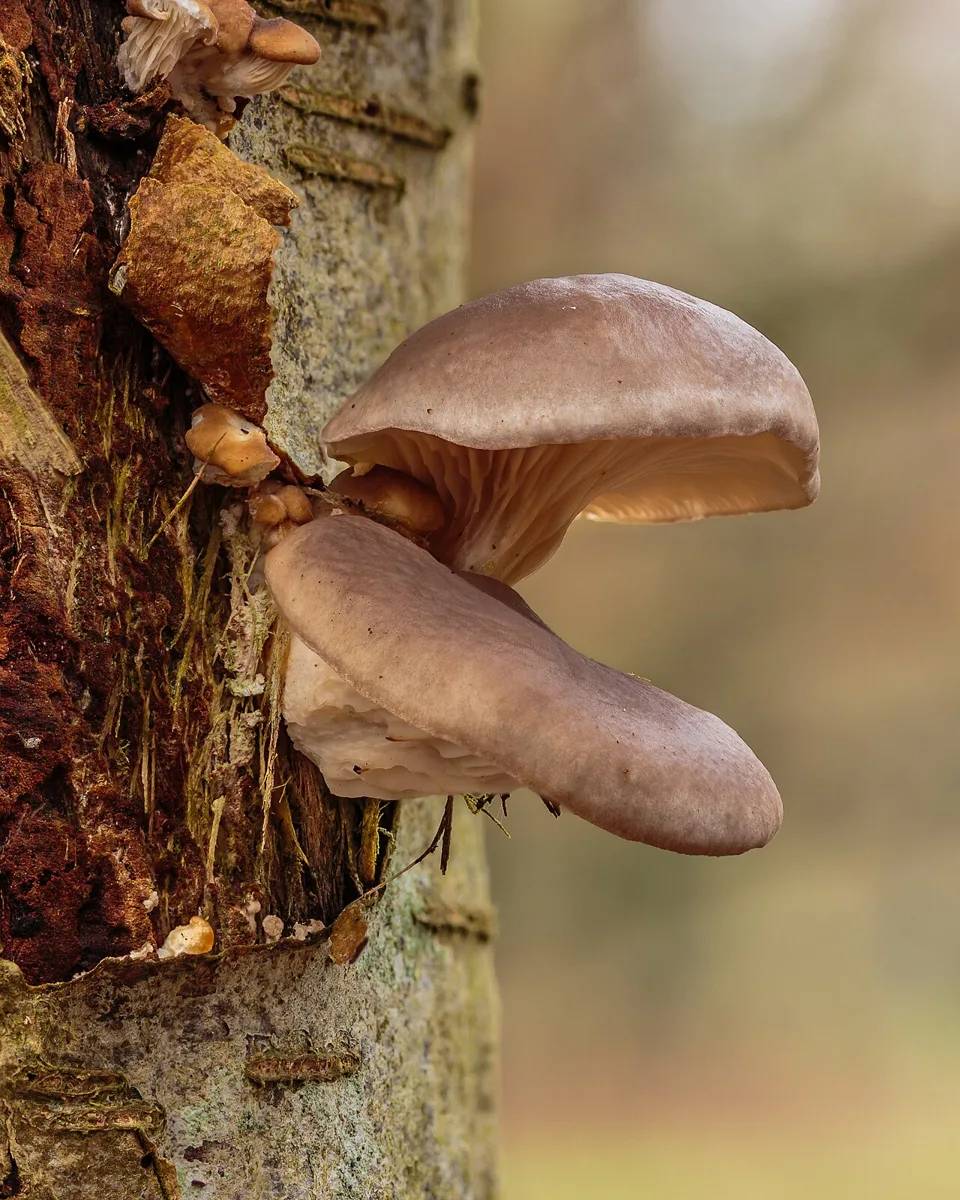
| Oyster MushroomSource & calculation for Oyster Mushroom | 2 µg RAE | 0% |
Sources & references (14)
- Spinach, raw, USDA FoodData Central 168462 · U.S. Department of AgricultureSelected nutrient amounts per 100 g raw edible spinach. Reference food, not a UCFarms harvest measurement.Source details in the Atlas: Spinach, raw, USDA FoodData Central 168462Verified from the official SR Legacy JSON download. The exact food record and source calculation are available in the crop reference profiles below.https://fdc.nal.usda.gov/fdc-datasets/FoodData_Central_sr_legacy_food_json_2018-04.zip
- Collards, raw, USDA FoodData Central 170406 · U.S. Department of AgricultureSelected nutrient amounts per 100 g raw edible collard greens. Reference food, not a UCFarms harvest measurement.Source details in the Atlas: Collards, raw, USDA FoodData Central 170406Verified from the official SR Legacy JSON download. The exact food record and source calculation are available in the crop reference profiles below.https://fdc.nal.usda.gov/fdc-datasets/FoodData_Central_sr_legacy_food_json_2018-04.zip
- Watercress, raw, USDA FoodData Central 170068 · U.S. Department of AgricultureSelected nutrient amounts per 100 g raw edible watercress. Reference food, not a UCFarms harvest measurement.Source details in the Atlas: Watercress, raw, USDA FoodData Central 170068Verified from the official SR Legacy JSON download. The exact food record and source calculation are available in the crop reference profiles below.https://fdc.nal.usda.gov/fdc-datasets/FoodData_Central_sr_legacy_food_json_2018-04.zip
- Basil, fresh, USDA FoodData Central 172232 · U.S. Department of AgricultureSelected nutrient amounts per 100 g raw edible basil. Reference food, not a UCFarms harvest measurement.Source details in the Atlas: Basil, fresh, USDA FoodData Central 172232Verified from the official SR Legacy JSON download. The exact food record and source calculation are available in the crop reference profiles below.https://fdc.nal.usda.gov/fdc-datasets/FoodData_Central_sr_legacy_food_json_2018-04.zip
- Strawberries, raw, USDA FoodData Central 167762 · U.S. Department of AgricultureSelected nutrient amounts per 100 g raw edible strawberries. Reference food, not a UCFarms harvest measurement.Source details in the Atlas: Strawberries, raw, USDA FoodData Central 167762Verified from the official SR Legacy JSON download. The exact food record and source calculation are available in the crop reference profiles below.https://fdc.nal.usda.gov/fdc-datasets/FoodData_Central_sr_legacy_food_json_2018-04.zip
- Mushrooms, oyster, raw, USDA FoodData Central 168580 · U.S. Department of AgricultureSelected nutrient amounts per 100 g raw edible oyster mushroom. Reference food, not a UCFarms harvest measurement.Source details in the Atlas: Mushrooms, oyster, raw, USDA FoodData Central 168580Verified from the official SR Legacy JSON download. The exact food record and source calculation are available in the crop reference profiles below.https://fdc.nal.usda.gov/fdc-datasets/FoodData_Central_sr_legacy_food_json_2018-04.zip
- Kale, raw: FoodData Central 323505 · USDA Agricultural Research ServiceReference nutrient composition of raw kale, per 100 g edible portion.Source details in the Atlas: Kale, raw: FoodData Central 323505The audit used USDA’s Foundation Foods download. If this record link is unavailable, use the dataset or saved record below.https://fdc.nal.usda.gov/food-details/323505/nutrients
- Daily Value on the Nutrition and Supplement Facts Labels · U.S. Food and Drug AdministrationFDA Daily Values (adults and children 4+) used to compute % DV.Source details in the Atlas: Daily Value on the Nutrition and Supplement Facts Labelshttps://www.fda.gov/food/nutrition-facts-label/daily-value-nutrition-and-supplement-facts-labels
- Vitamin C: Fact Sheet for Health Professionals · National Institutes of Health, Office of Dietary SupplementsVitamin C's role in collagen synthesis, physiological antioxidant activity and immune function.Source details in the Atlas: Vitamin C: Fact Sheet for Health Professionalshttps://ods.od.nih.gov/factsheets/VitaminC-HealthProfessional/
- Vitamin A and Carotenoids: Fact Sheet for Health Professionals · National Institutes of Health, Office of Dietary SupplementsVitamin A's role in vision, immune function and cellular differentiation; provitamin-A vs non-provitamin-A carotenoids.Source details in the Atlas: Vitamin A and Carotenoids: Fact Sheet for Health Professionalshttps://ods.od.nih.gov/factsheets/VitaminA-HealthProfessional/
- Foundation Foods JSON release 2026-04-30 · USDA Agricultural Research ServiceSource details in the Atlas: Foundation Foods JSON release 2026-04-30https://fdc.nal.usda.gov/fdc-datasets/FoodData_Central_foundation_food_json_2026-04-30.zip
- Foundation Foods Documentation · USDA Agricultural Research ServiceSource details in the Atlas: Foundation Foods Documentationhttps://fdc.nal.usda.gov/Foundation_Foods_Documentation/
- Vitamin A: Medical Encyclopedia · National Library of Medicine, MedlinePlusVitamin A helps form and maintain teeth, skeletal and soft tissue, mucous membranes and skin.Source details in the Atlas: Vitamin A: Medical EncyclopediaFunction section: "Vitamin A helps form and maintain healthy teeth, skeletal and soft tissue, mucus membranes, and skin." Reviewed 1/21/2025.https://medlineplus.gov/ency/article/002400.htm
- Dietary Supplements for Immune Function and Infectious Diseases · National Institutes of Health, Office of Dietary SupplementsVitamin A and vitamin C roles in tissue barriers and immune-cell function; distinct from evidence that supplements prevent or treat infections.Source details in the Atlas: Dietary Supplements for Immune Function and Infectious DiseasesTeaching locators: Vitamins and minerals sections, Vitamin A and Vitamin C introductions.https://ods.od.nih.gov/factsheets/ImmuneFunction-HealthProfessional/