Magnesium
Magnesium helps enzymes work and helps cells move calcium and potassium across their boundaries. These processes support nerve signals, muscle contraction and normal heart rhythm.
What it does, and how
Support the signals muscles use
The same movement of charged particles across cell membranes matters for muscle contraction. Magnesium's role in that transport connects it to normal muscle function.
Muscle contraction · Evidence
Magnesium-dependent ion transport supports muscle contraction.
Normal physiological role only; does not establish an effect of eating Kale.
- Read sourceIntroduction: enzyme cofactors and ion transport for nerve conduction, contraction, normal heart rhythm paragraphs
Sources for the explanation
Help chemical reactions run
Magnesium is a helper, or cofactor, for hundreds of enzyme systems. These systems carry out tasks such as processing energy from food and making proteins.
Enzyme cofactor activity · Evidence
Magnesium is a cofactor for many enzyme systems.
Normal physiological role only; does not establish an effect of eating Kale.
- Read sourceIntroduction: enzyme cofactors and ion transport for nerve conduction, contraction, normal heart rhythm paragraphs
Sources for the explanation
Support the movement of nerve signals
Magnesium helps transport charged calcium and potassium particles across cell membranes. That movement is part of how nerve impulses travel.
Nerve function · Evidence
Magnesium-dependent ion transport supports nerve impulse conduction.
Normal physiological role only; does not establish an effect of eating Kale. Supports conduction, not the full generic definition including signal processing.
- Read sourceIntroduction: enzyme cofactors and ion transport for nerve conduction, contraction, normal heart rhythm paragraphs
Sources for the explanation
Support the heart's normal electrical rhythm
Heartbeats depend on coordinated electrical activity. Magnesium's involvement in moving calcium and potassium across cell membranes contributes to normal heart rhythm.
Normal heart rhythm · Evidence
Magnesium-dependent ion transport supports normal heart rhythm.
Normal physiological role only; does not establish an effect of eating Kale.
- Read sourceIntroduction: enzyme cofactors and ion transport for nerve conduction, contraction, normal heart rhythm paragraphs
Sources for the explanation
Where it works in the body
A nutrient can take part in more than one body system. Follow a connection to see how its work fits together with other nutrients.
- Brain & Nervous SystemMagnesium supports movement of charged particles across cell membranes, a process involved in carrying nerve impulses.
- Cardiovascular SystemThe heart relies on electrical signals to coordinate its contractions. Magnesium-dependent transport of calcium and potassium contributes to that normal rhythm.
- Musculoskeletal SystemMagnesium helps with the movement of charged particles that supports muscle contraction.
How does the body keep a supply? Learn about nutrient storage, depletion and replenishment.
Reference food in our crop catalog
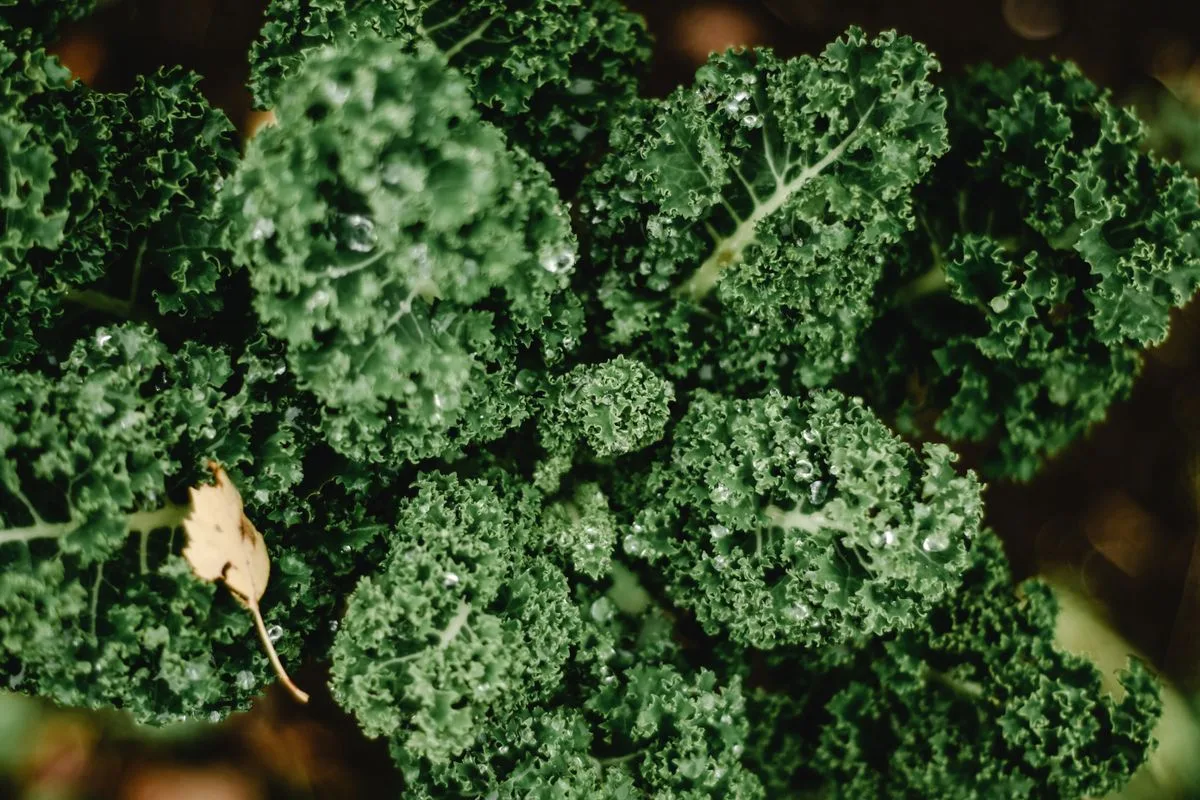
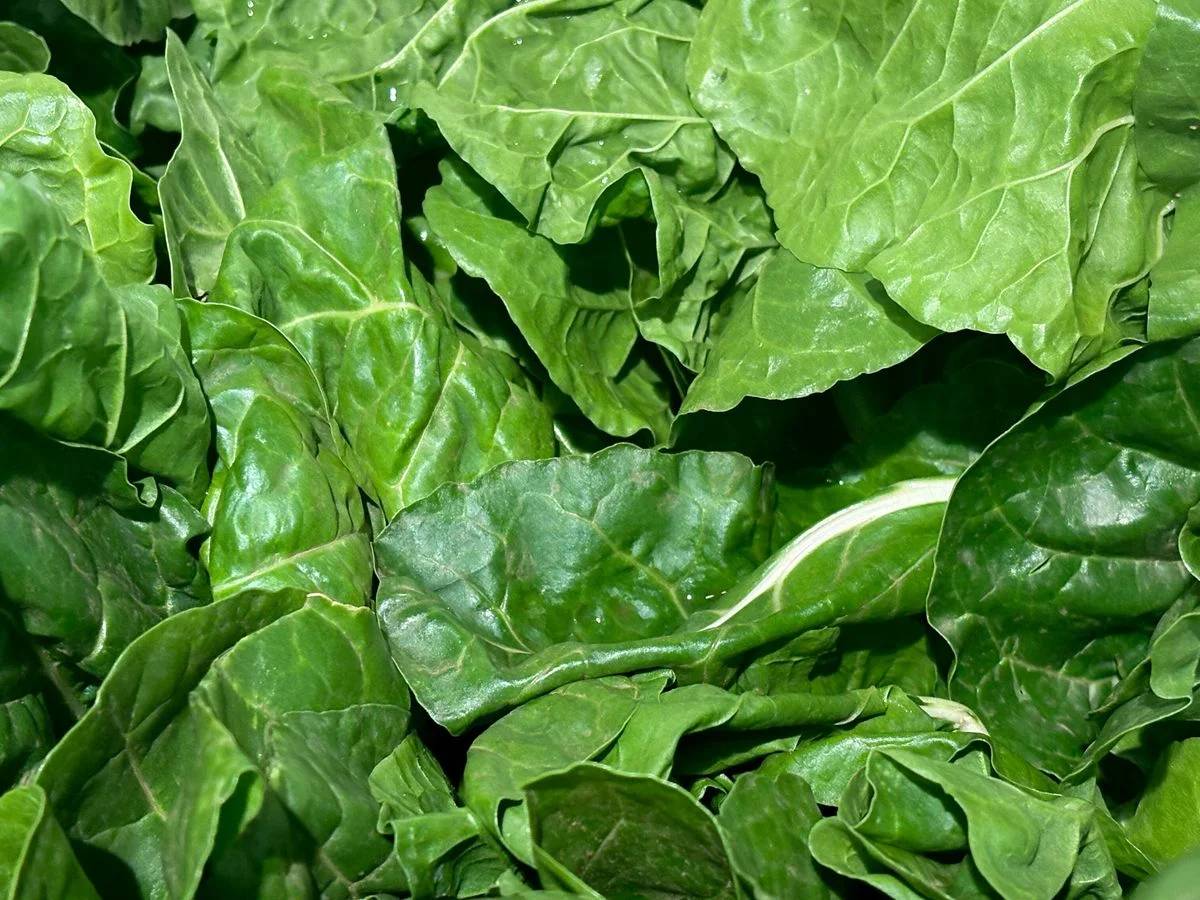
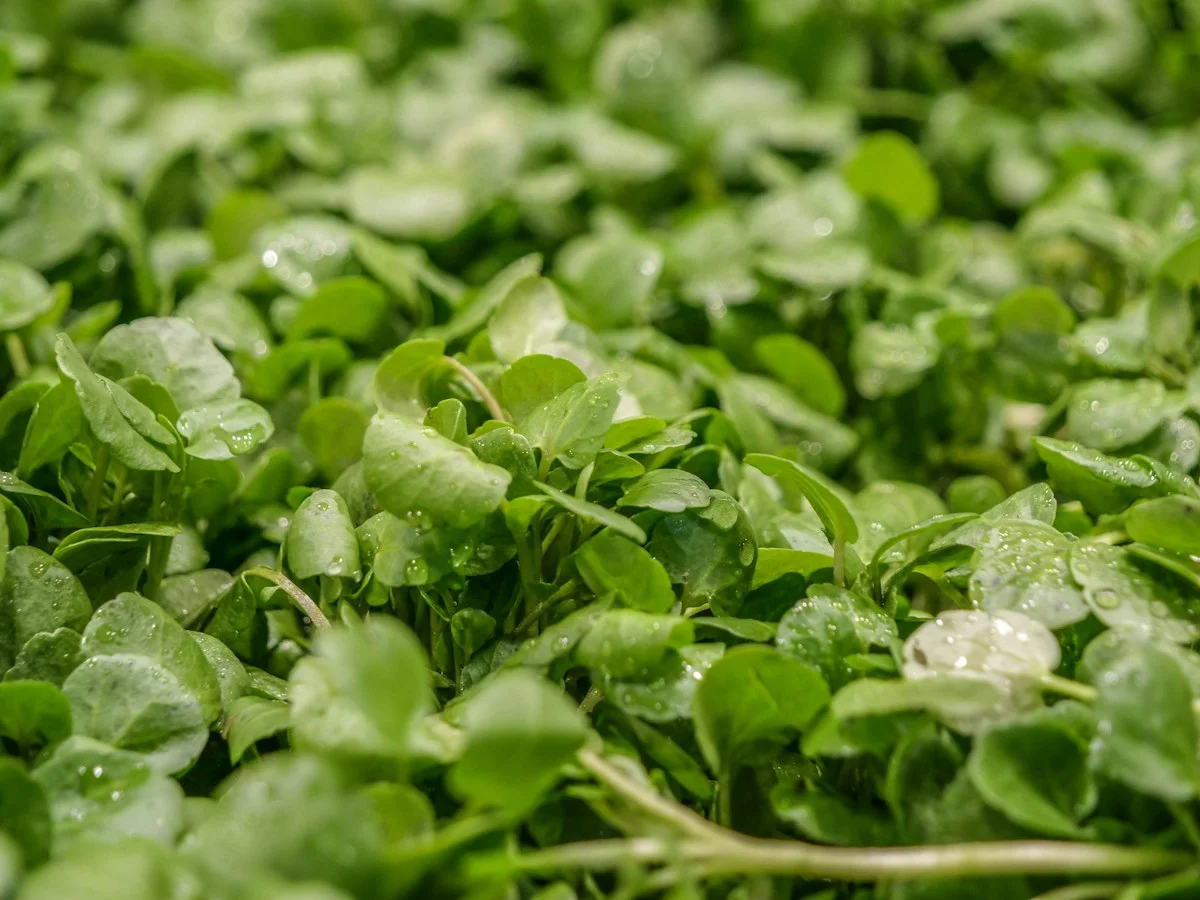
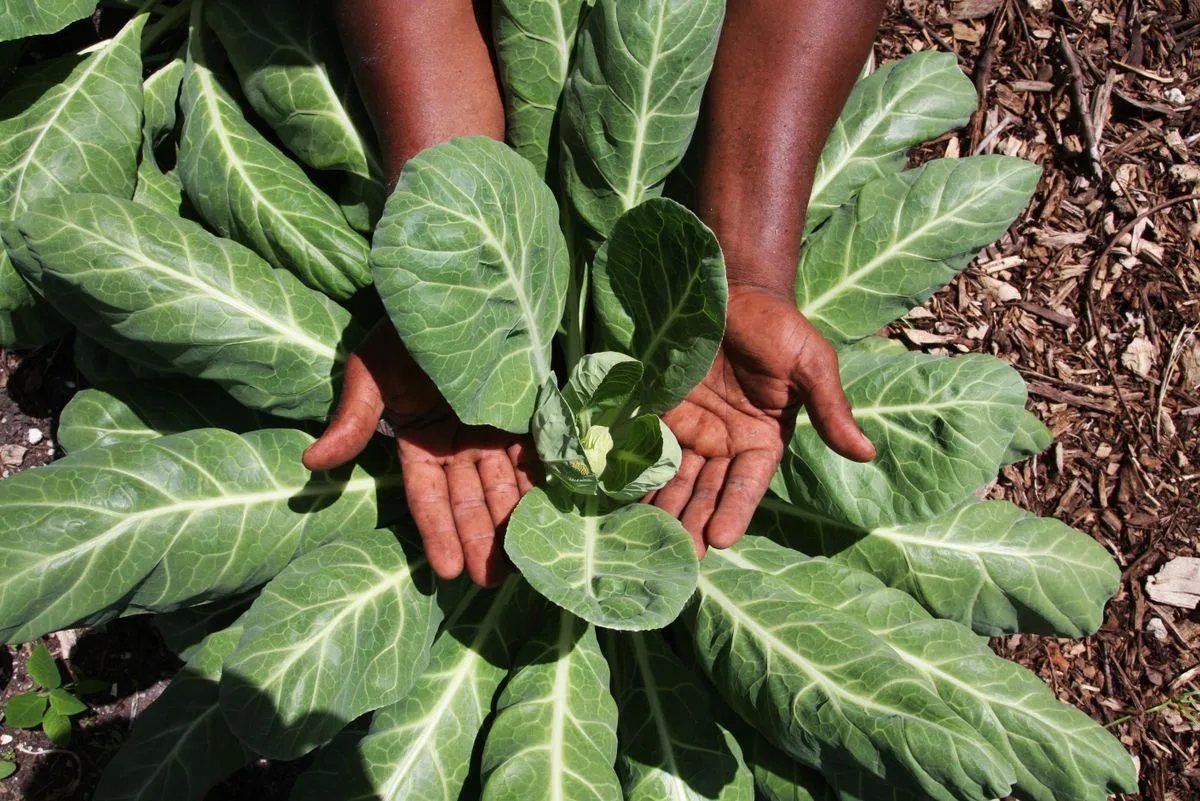

Reference composition
Reference data
Sources & references (14)
- Spinach, raw, USDA FoodData Central 168462 · U.S. Department of AgricultureSelected nutrient amounts per 100 g raw edible spinach. Reference food, not a UCFarms harvest measurement.Source details in the Atlas: Spinach, raw, USDA FoodData Central 168462Verified from the official SR Legacy JSON download. The exact food record and source calculation are available in the crop reference profiles below.https://fdc.nal.usda.gov/fdc-datasets/FoodData_Central_sr_legacy_food_json_2018-04.zip
- Collards, raw, USDA FoodData Central 170406 · U.S. Department of AgricultureSelected nutrient amounts per 100 g raw edible collard greens. Reference food, not a UCFarms harvest measurement.Source details in the Atlas: Collards, raw, USDA FoodData Central 170406Verified from the official SR Legacy JSON download. The exact food record and source calculation are available in the crop reference profiles below.https://fdc.nal.usda.gov/fdc-datasets/FoodData_Central_sr_legacy_food_json_2018-04.zip
- Watercress, raw, USDA FoodData Central 170068 · U.S. Department of AgricultureSelected nutrient amounts per 100 g raw edible watercress. Reference food, not a UCFarms harvest measurement.Source details in the Atlas: Watercress, raw, USDA FoodData Central 170068Verified from the official SR Legacy JSON download. The exact food record and source calculation are available in the crop reference profiles below.https://fdc.nal.usda.gov/fdc-datasets/FoodData_Central_sr_legacy_food_json_2018-04.zip
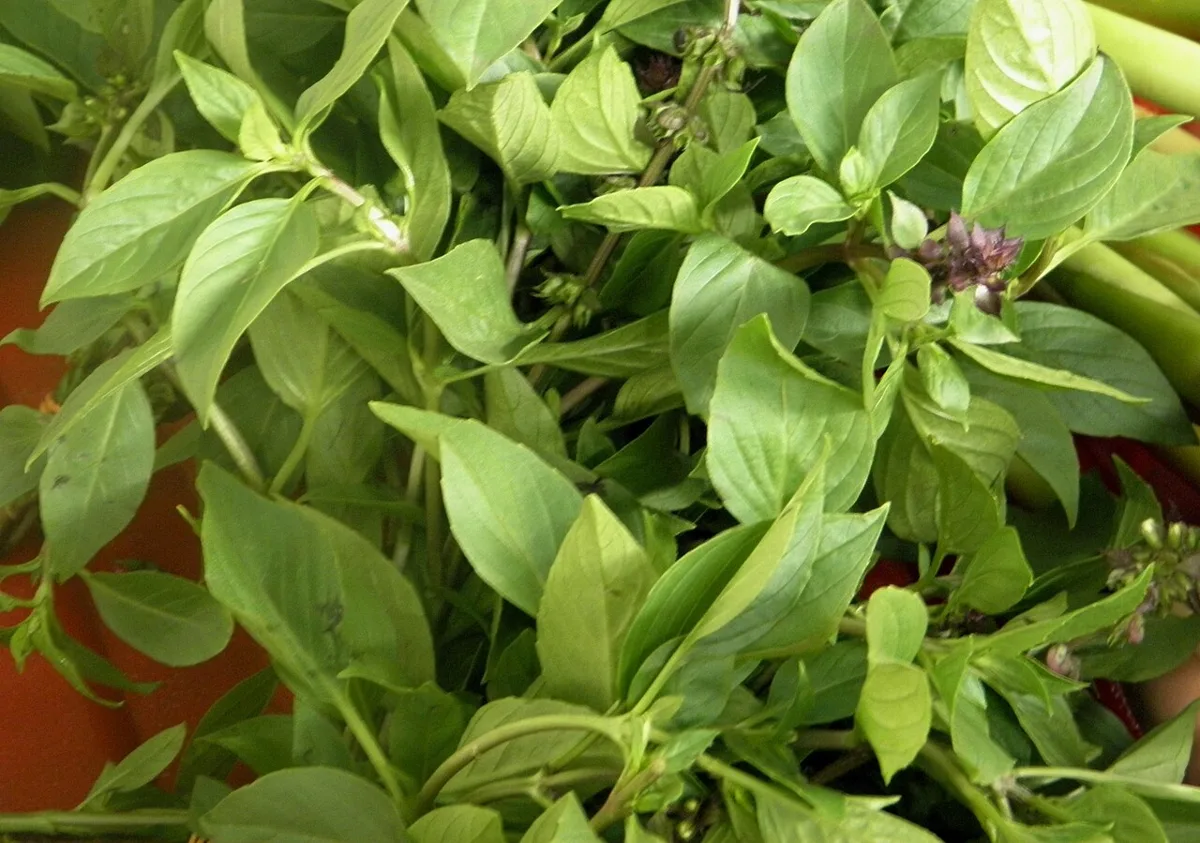
- Basil, fresh, USDA FoodData Central 172232 · U.S. Department of AgricultureSelected nutrient amounts per 100 g raw edible basil. Reference food, not a UCFarms harvest measurement.Source details in the Atlas: Basil, fresh, USDA FoodData Central 172232Verified from the official SR Legacy JSON download. The exact food record and source calculation are available in the crop reference profiles below.https://fdc.nal.usda.gov/fdc-datasets/FoodData_Central_sr_legacy_food_json_2018-04.zip
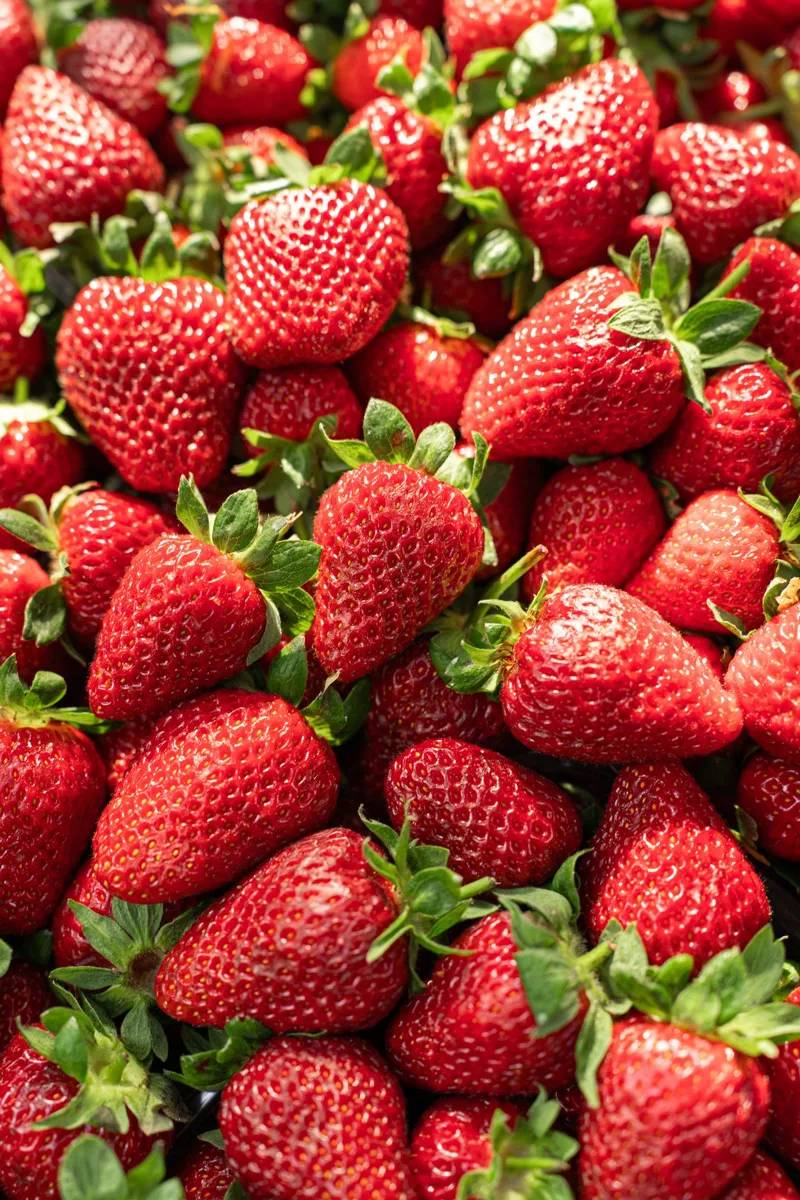
- Strawberries, raw, USDA FoodData Central 167762 · U.S. Department of AgricultureSelected nutrient amounts per 100 g raw edible strawberries. Reference food, not a UCFarms harvest measurement.Source details in the Atlas: Strawberries, raw, USDA FoodData Central 167762Verified from the official SR Legacy JSON download. The exact food record and source calculation are available in the crop reference profiles below.https://fdc.nal.usda.gov/fdc-datasets/FoodData_Central_sr_legacy_food_json_2018-04.zip
- Mushrooms, oyster, raw, USDA FoodData Central 168580 · U.S. Department of AgricultureSelected nutrient amounts per 100 g raw edible oyster mushroom. Reference food, not a UCFarms harvest measurement.Source details in the Atlas: Mushrooms, oyster, raw, USDA FoodData Central 168580Verified from the official SR Legacy JSON download. The exact food record and source calculation are available in the crop reference profiles below.https://fdc.nal.usda.gov/fdc-datasets/FoodData_Central_sr_legacy_food_json_2018-04.zip
- Kale, raw: FoodData Central 323505 · USDA Agricultural Research ServiceReference nutrient composition of raw kale, per 100 g edible portion.Source details in the Atlas: Kale, raw: FoodData Central 323505The audit used USDA’s Foundation Foods download. If this record link is unavailable, use the dataset or saved record below.https://fdc.nal.usda.gov/food-details/323505/nutrients
- Daily Value on the Nutrition and Supplement Facts Labels · U.S. Food and Drug AdministrationFDA Daily Values (adults and children 4+) used to compute % DV.Source details in the Atlas: Daily Value on the Nutrition and Supplement Facts Labelshttps://www.fda.gov/food/nutrition-facts-label/daily-value-nutrition-and-supplement-facts-labels
- Manganese: Fact Sheet for Health Professionals · National Institutes of Health, Office of Dietary SupplementsManganese as an enzyme cofactor.Source details in the Atlas: Manganese: Fact Sheet for Health Professionalshttps://ods.od.nih.gov/factsheets/Manganese-HealthProfessional/
- Calcium: Fact Sheet for Health Professionals · National Institutes of Health, Office of Dietary SupplementsCalcium's role in bone structure, muscle function and nerve transmission.Source details in the Atlas: Calcium: Fact Sheet for Health Professionalshttps://ods.od.nih.gov/factsheets/Calcium-HealthProfessional/
- Magnesium: Fact Sheet for Health Professionals · National Institutes of Health, Office of Dietary SupplementsMagnesium's role as an enzyme cofactor and in nerve, muscle and heart-rhythm function.Source details in the Atlas: Magnesium: Fact Sheet for Health Professionalshttps://ods.od.nih.gov/factsheets/magnesium-HealthProfessional/
- Potassium: Fact Sheet for Health Professionals · National Institutes of Health, Office of Dietary SupplementsPotassium's role in electrochemical gradients, nerve transmission, muscle contraction and heart function.Source details in the Atlas: Potassium: Fact Sheet for Health Professionalshttps://ods.od.nih.gov/factsheets/Potassium-HealthProfessional/
- Foundation Foods JSON release 2026-04-30 · USDA Agricultural Research ServiceSource details in the Atlas: Foundation Foods JSON release 2026-04-30https://fdc.nal.usda.gov/fdc-datasets/FoodData_Central_foundation_food_json_2026-04-30.zip
- Foundation Foods Documentation · USDA Agricultural Research ServiceSource details in the Atlas: Foundation Foods Documentationhttps://fdc.nal.usda.gov/Foundation_Foods_Documentation/