Open Musculoskeletal System on the body map
Body system
Musculoskeletal System
Open the Musculoskeletal System on the body map
Bones, muscles and connective tissue: structure and movement.
How nutrients support this system
Each nutrient plays a different part. Open a profile to follow the process, its sources and the foods that carry that nutrient.
- Vitamin KBone contains proteins that need vitamin K before they can work, including one called osteocalcin. That ties vitamin K to how bone is built and renewed; whether extra vitamin K improves bone health is a separate question.
- Vitamin CTendons and ligaments contain collagen. Vitamin C is needed to make this structural protein, connecting it to the tissues that support movement.
- CalciumCalcium has two roles here: it is part of the mineral structure of bone, and its charged form participates in muscle contraction.
- MagnesiumMagnesium helps with the movement of charged particles that supports muscle contraction.
- PotassiumMuscle cells use electrical conditions across their membranes to support contraction. Potassium helps maintain those conditions.
- IronIron is part of myoglobin, a protein that makes oxygen available in muscle tissue.
Explore the scientific terms
Functions associated with nutrients in our reference-food profiles. System groupings are editorial and can overlap; they do not establish health outcomes from eating a crop.
- Bone protein metabolismBone metabolism involves proteins and other biological processes that contribute to the formation, maintenance and remodeling of bone tissue.
- Collagen synthesisCollagen synthesis produces collagen, a structural protein found throughout connective tissues.
- Bone structureMineralized tissue provides much of the structural strength and rigidity of bones and teeth.
- Muscle contractionMuscle contraction is the process through which muscle fibers generate force and movement.
- Myoglobin and muscle oxygenMyoglobin is an oxygen-binding protein in muscle tissue that helps make oxygen available within muscle cells.
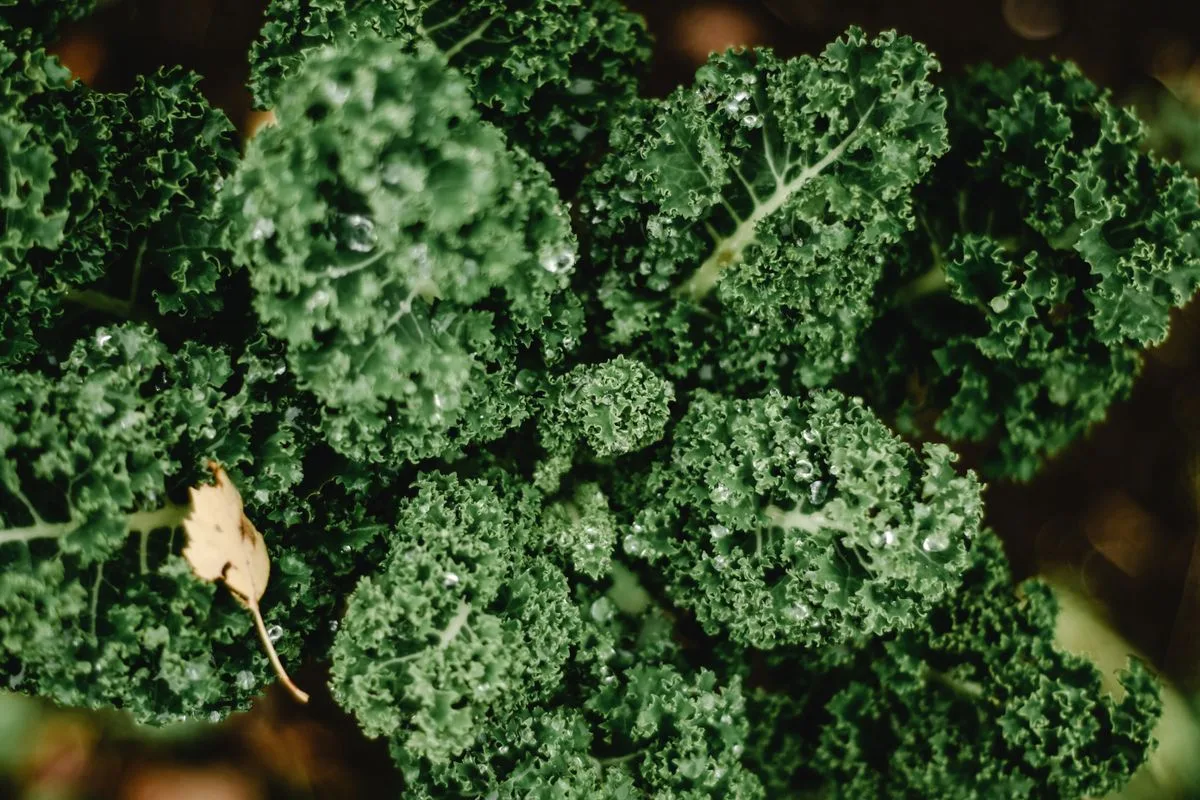
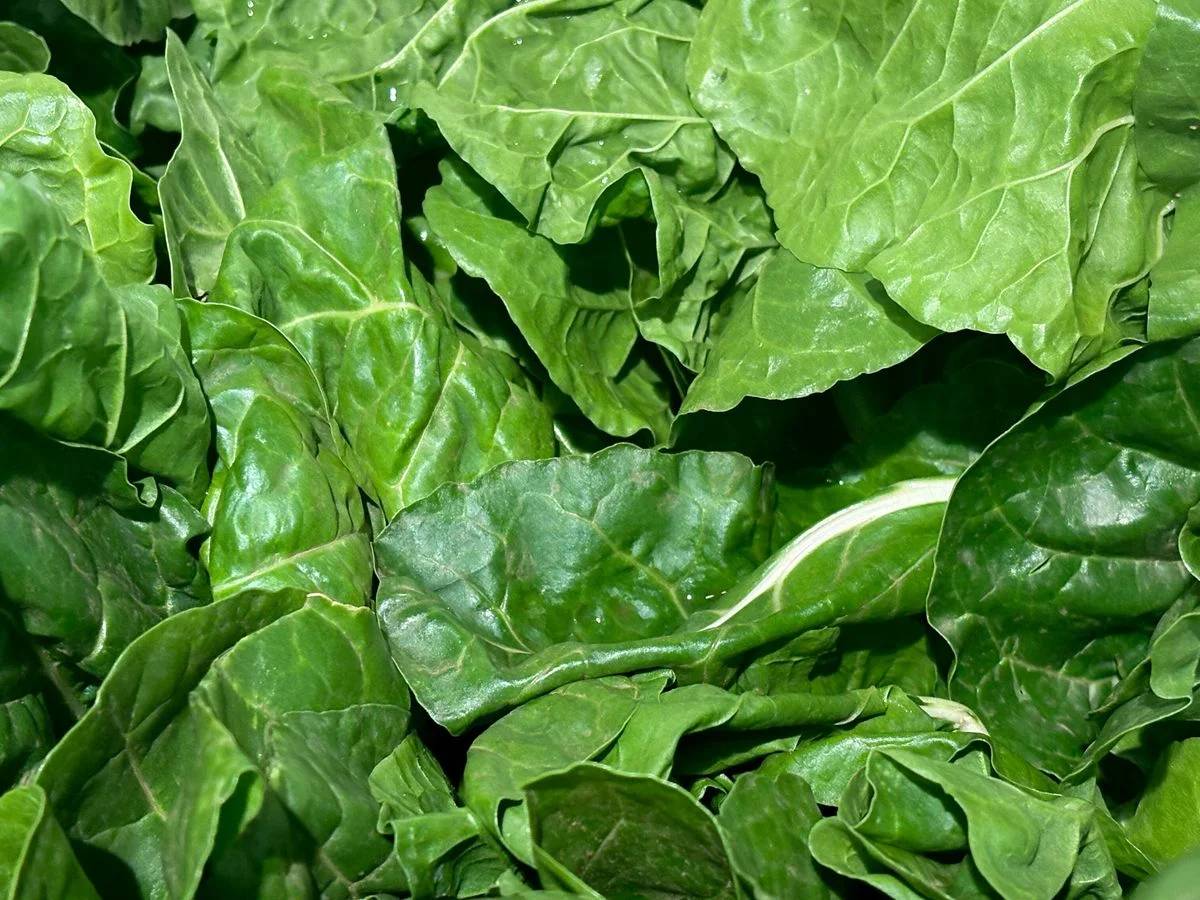
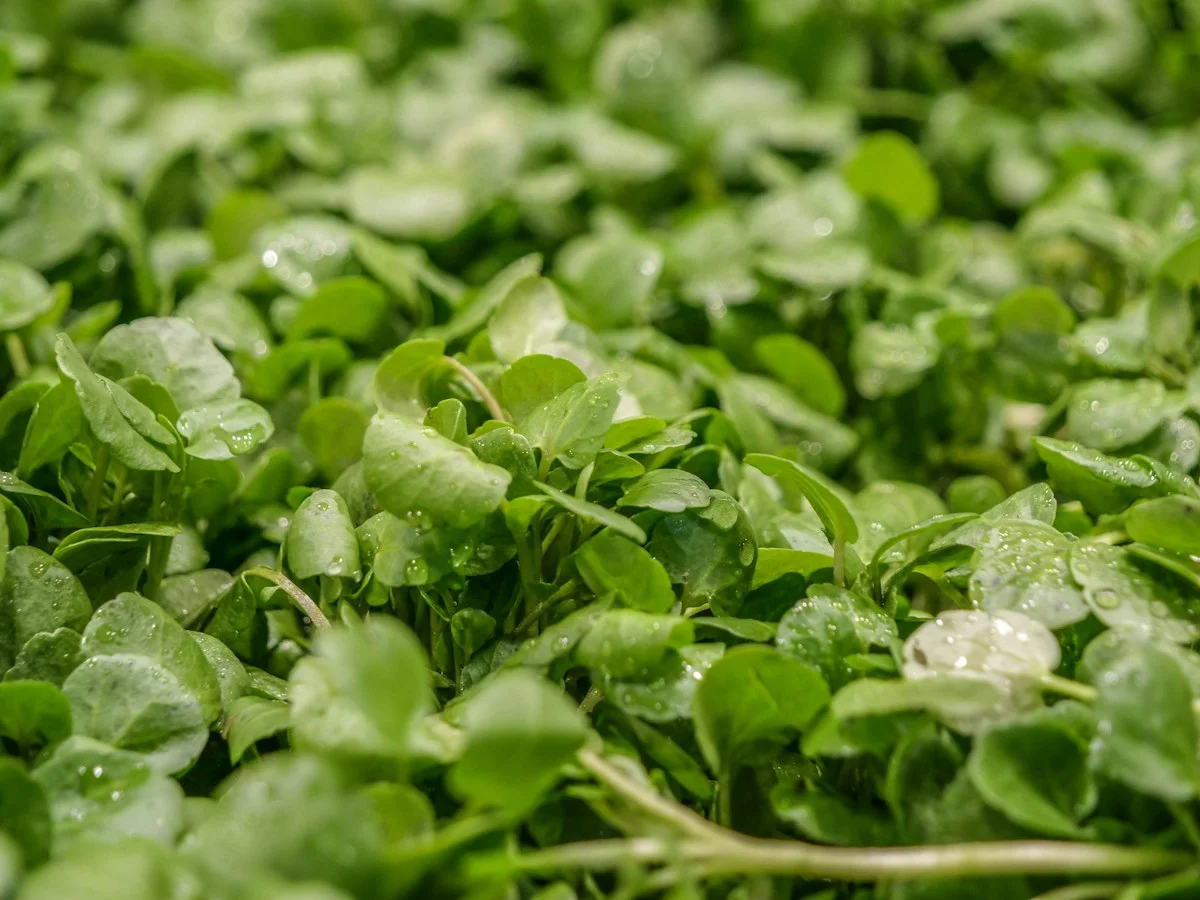
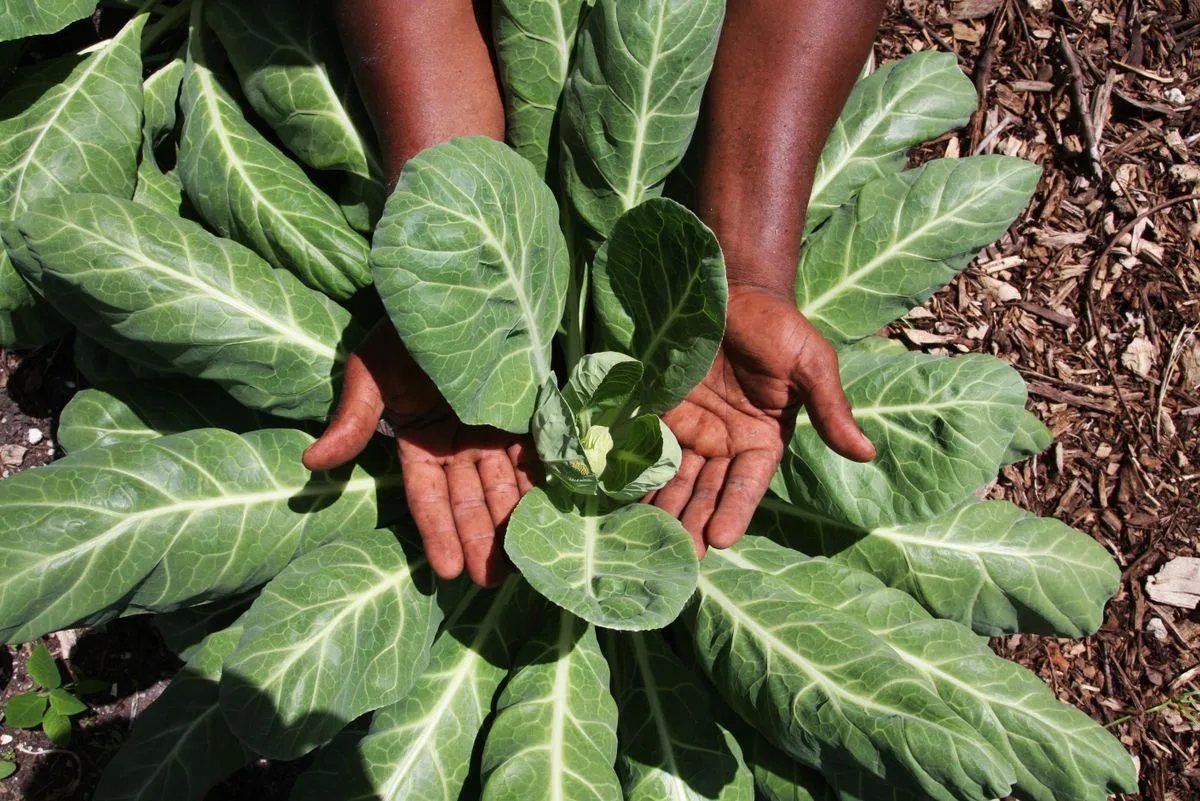
Foods that carry those nutrients



Sources & references (9)
- Vitamin K: Fact Sheet for Health Professionals · National Institutes of Health, Office of Dietary SupplementsVitamin K's role in normal blood coagulation and bone protein metabolism.Source details in the Atlas: Vitamin K: Fact Sheet for Health Professionalshttps://ods.od.nih.gov/factsheets/VitaminK-HealthProfessional/
- Vitamin C: Fact Sheet for Health Professionals · National Institutes of Health, Office of Dietary SupplementsVitamin C's role in collagen synthesis, physiological antioxidant activity and immune function.Source details in the Atlas: Vitamin C: Fact Sheet for Health Professionalshttps://ods.od.nih.gov/factsheets/VitaminC-HealthProfessional/
- Calcium: Fact Sheet for Health Professionals · National Institutes of Health, Office of Dietary SupplementsCalcium's role in bone structure, muscle function and nerve transmission.Source details in the Atlas: Calcium: Fact Sheet for Health Professionalshttps://ods.od.nih.gov/factsheets/Calcium-HealthProfessional/
- Iron: Fact Sheet for Health Professionals · National Institutes of Health, Office of Dietary SupplementsIron's role in hemoglobin and myoglobin oxygen transport.Source details in the Atlas: Iron: Fact Sheet for Health Professionalshttps://ods.od.nih.gov/factsheets/Iron-HealthProfessional/
- Magnesium: Fact Sheet for Health Professionals · National Institutes of Health, Office of Dietary SupplementsMagnesium's role as an enzyme cofactor and in nerve, muscle and heart-rhythm function.Source details in the Atlas: Magnesium: Fact Sheet for Health Professionalshttps://ods.od.nih.gov/factsheets/magnesium-HealthProfessional/
- Potassium: Fact Sheet for Health Professionals · National Institutes of Health, Office of Dietary SupplementsPotassium's role in electrochemical gradients, nerve transmission, muscle contraction and heart function.Source details in the Atlas: Potassium: Fact Sheet for Health Professionalshttps://ods.od.nih.gov/factsheets/Potassium-HealthProfessional/
- Got Calcium? · U.S. government sourceSource details in the Atlas: Got Calcium?https://www.nigms.nih.gov/biobeat/2023/02/got-calcium
- Vitamin C: Medical Encyclopedia · National Library of Medicine, MedlinePlusVitamin C, collagen and the growth and repair of skin, tendons, ligaments and blood vessels.Source details in the Atlas: Vitamin C: Medical Encyclopediahttps://medlineplus.gov/ency/article/002404.htm
- Dietary Supplements for Immune Function and Infectious Diseases · National Institutes of Health, Office of Dietary SupplementsVitamin A and vitamin C roles in tissue barriers and immune-cell function; distinct from evidence that supplements prevent or treat infections.Source details in the Atlas: Dietary Supplements for Immune Function and Infectious DiseasesTeaching locators: Vitamins and minerals sections, Vitamin A and Vitamin C introductions.https://ods.od.nih.gov/factsheets/ImmuneFunction-HealthProfessional/