Vitamin K
Vitamin K helps the body prepare proteins used in blood clotting and bone metabolism. These are different jobs performed by different proteins.
Read Vitamin K in the Atlas explorer, with its charts
Fat-soluble vitamin · What does that mean?What it does, and how
Help blood form a clot when needed
Vitamin K helps an enzyme put clotting proteins into a usable form. Those proteins take part in the chain of events that forms a clot after a blood vessel is injured.
Normal blood coagulation · Evidence
Vitamin K supports activation of proteins required for normal blood clotting.
Normal physiological role only; does not establish an effect of eating Kale.
- Read sourceIntroduction: vitamin K-dependent carboxylase, prothrombin, and osteocalcin paragraphs
Sources for the explanation
Help prepare proteins found in bone
Osteocalcin is a protein in bone that depends on vitamin K. Its involvement in bone metabolism does not mean that extra vitamin K, or a particular food, has been shown to prevent fractures.
Bone protein metabolism · Evidence
Vitamin K participates in activation of bone-related proteins.
Normal physiological role only; does not establish an effect of eating Kale. Do not turn osteocalcin involvement into a demonstrated bone-health outcome; ODS describes some roles as possible.
- Read sourceIntroduction: vitamin K-dependent carboxylase, prothrombin, and osteocalcin paragraphs
Sources for the explanation
Where it works in the body
A nutrient can take part in more than one body system. Follow a connection to see how its work fits together with other nutrients.
- Cardiovascular SystemThe connection is blood clotting: vitamin K helps prepare proteins that the body uses to form clots when needed.
- Musculoskeletal SystemBone contains proteins that need vitamin K before they can work, including one called osteocalcin. That ties vitamin K to how bone is built and renewed; whether extra vitamin K improves bone health is a separate question.
How does the body keep a supply? Learn about nutrient storage, depletion and replenishment.
Reference food in our crop catalog
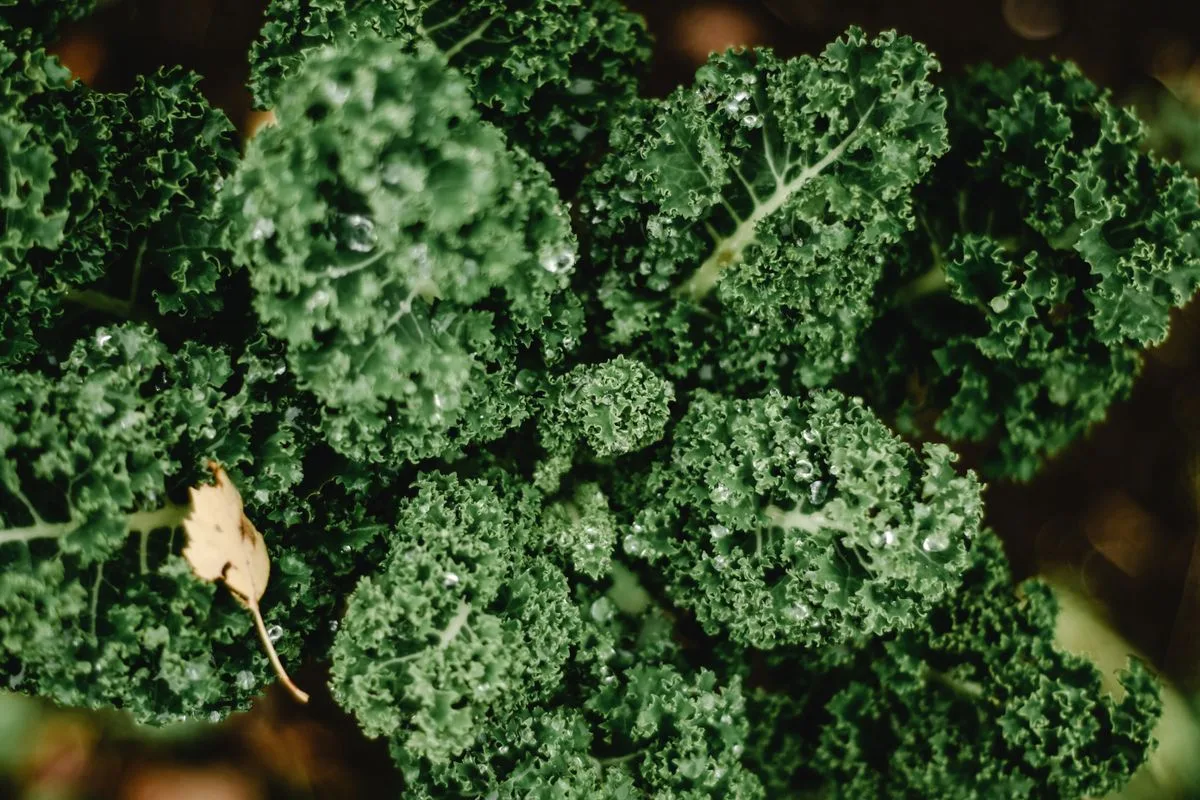
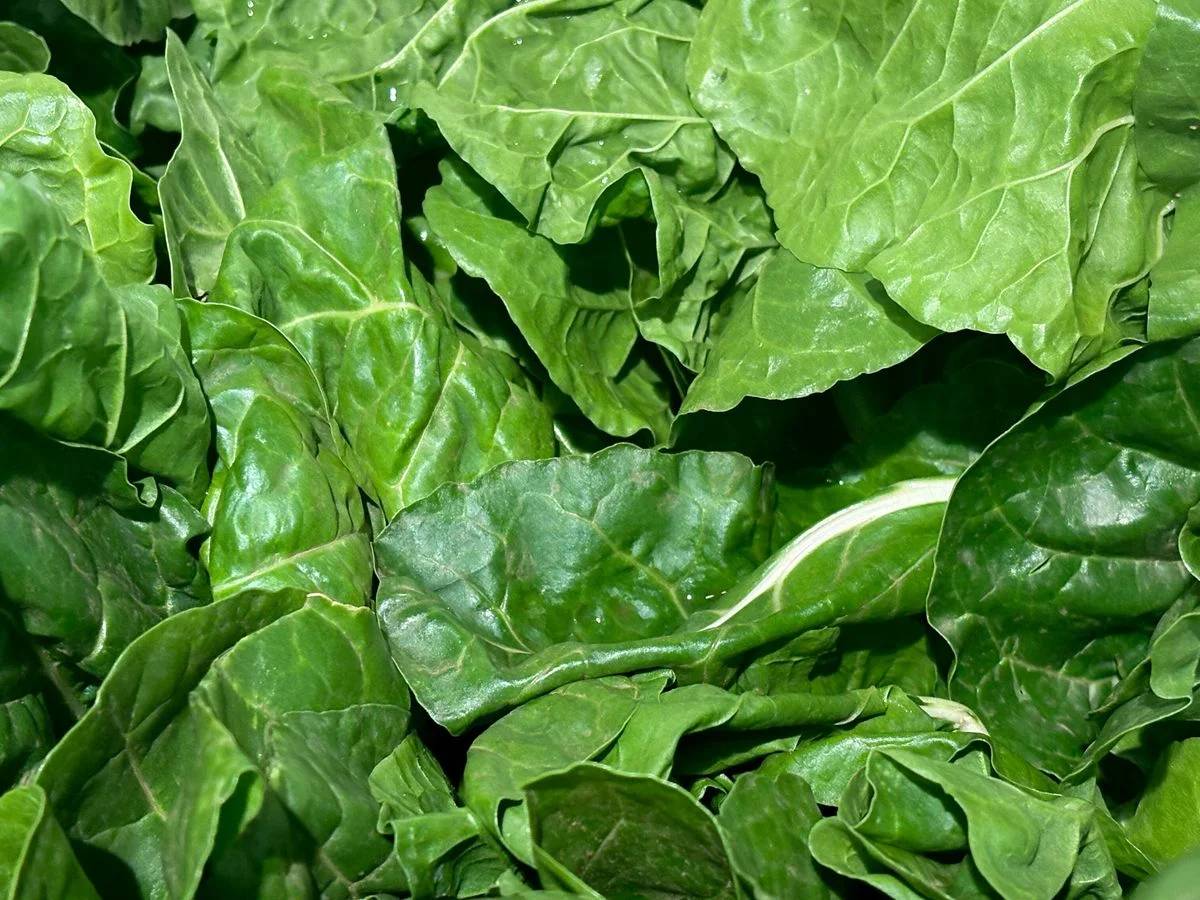
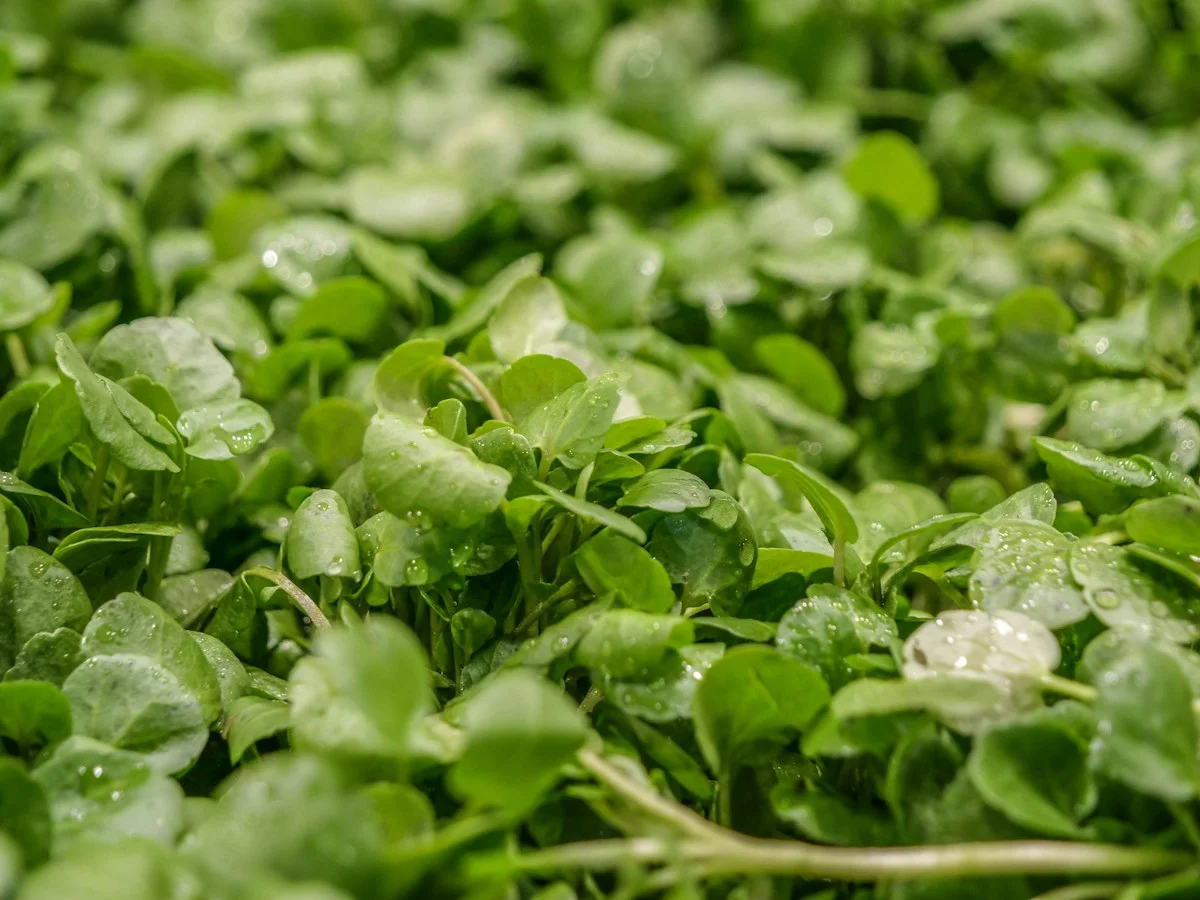
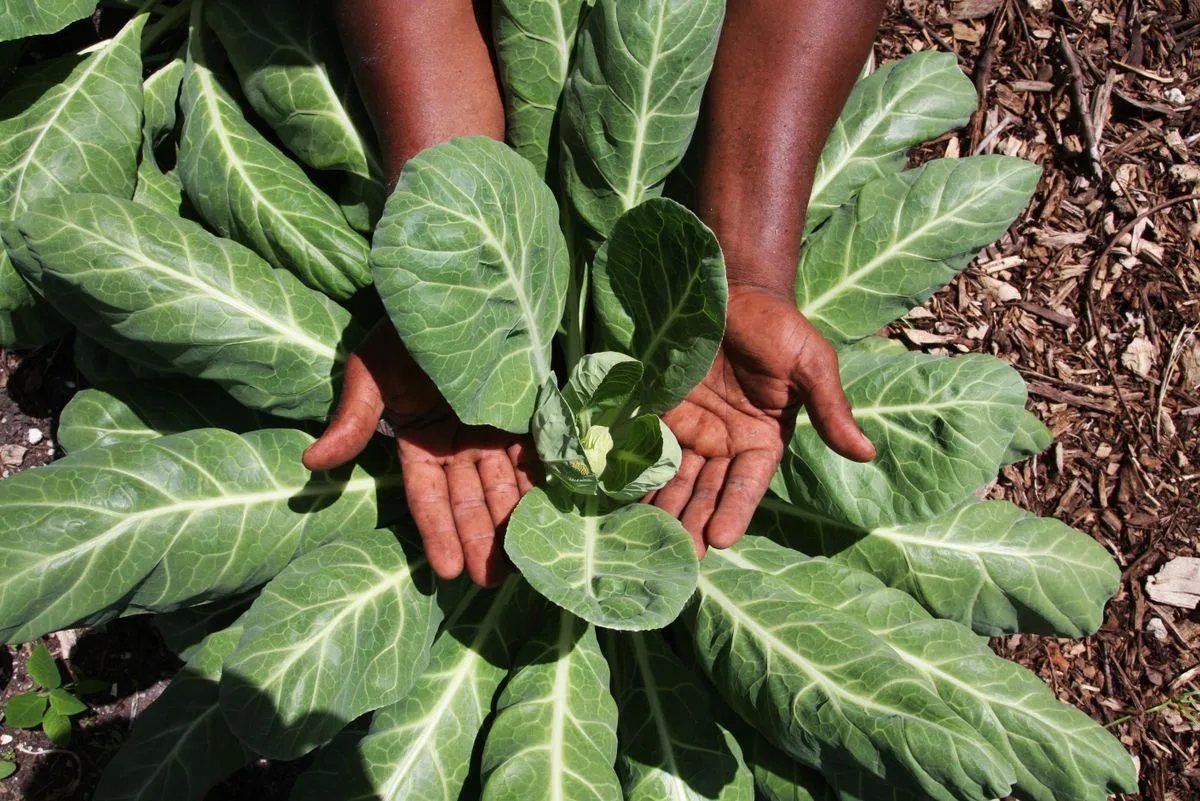
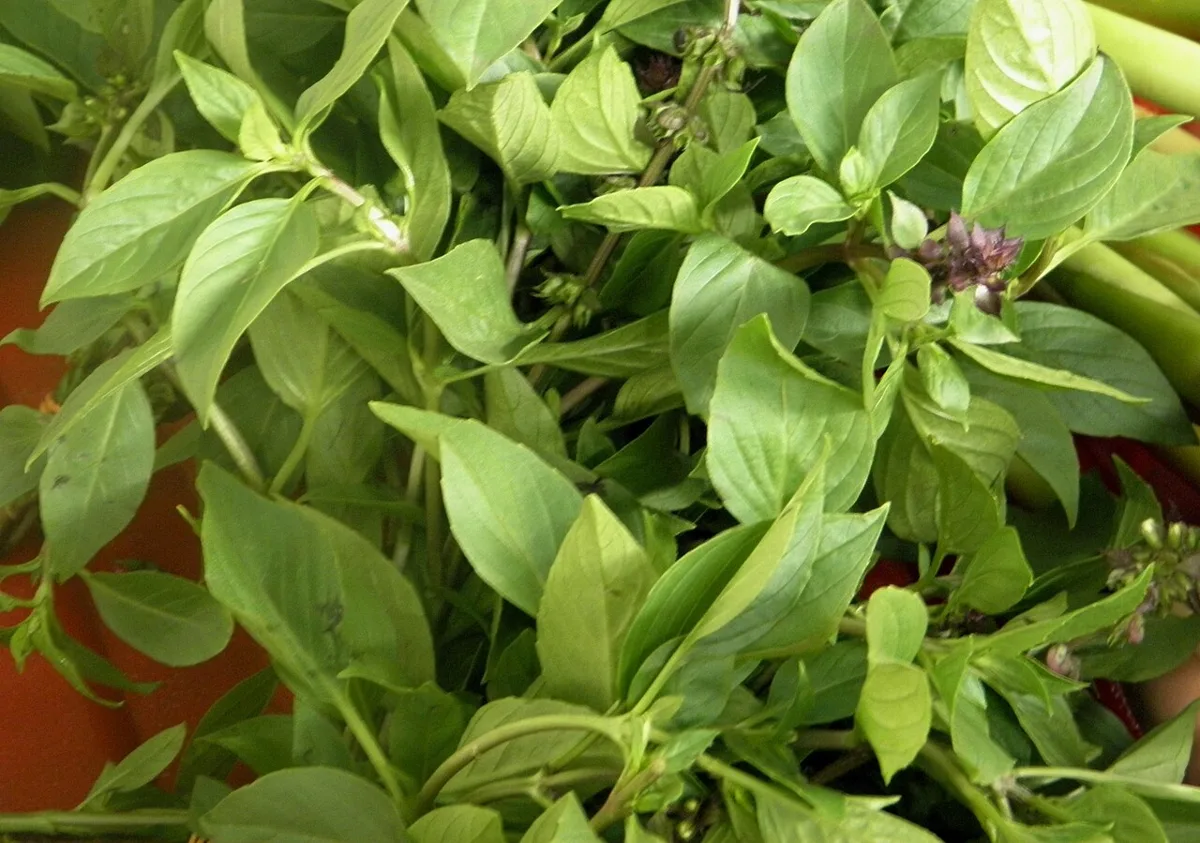
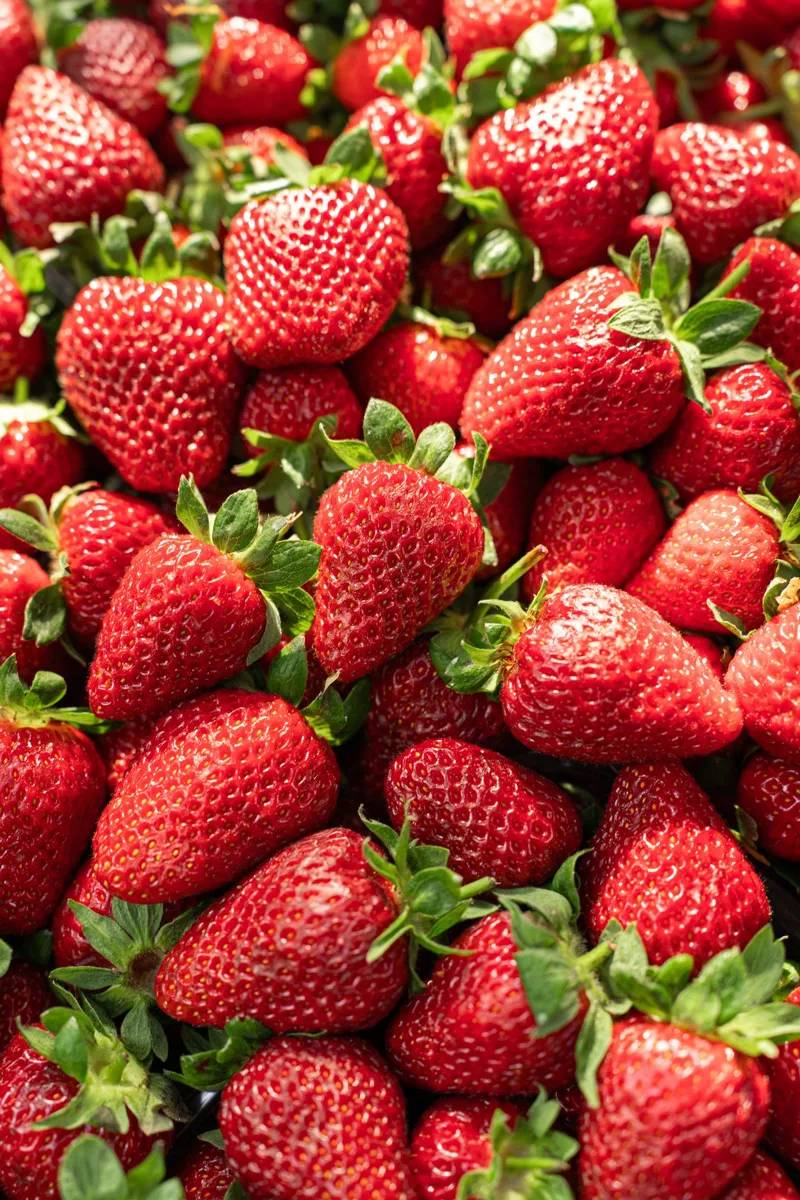
Reference composition
Reference data
| Crop | Amount | % DV |
|---|---|---|
| KaleSource & calculation for Kale | 390 µg | 325% |
| SpinachSource & calculation for Spinach | 483 µg | 403% |
| Collard GreensSource & calculation for Collard Greens | 437 µg | 364% |
| WatercressSource & calculation for Watercress | 250 µg | 208% |
| BasilSource & calculation for Basil | 415 µg | 346% |
| StrawberriesSource & calculation for Strawberries | 2.2 µg | 2% |
| Oyster MushroomSource & calculation for Oyster Mushroom | 0 µg | 0% |
Sources & references (11)
- Spinach, raw, USDA FoodData Central 168462 · U.S. Department of AgricultureSelected nutrient amounts per 100 g raw edible spinach. Reference food, not a UCFarms harvest measurement.Source details in the Atlas: Spinach, raw, USDA FoodData Central 168462Verified from the official SR Legacy JSON download. The exact food record and source calculation are available in the crop reference profiles below.https://fdc.nal.usda.gov/fdc-datasets/FoodData_Central_sr_legacy_food_json_2018-04.zip
- Collards, raw, USDA FoodData Central 170406 · U.S. Department of AgricultureSelected nutrient amounts per 100 g raw edible collard greens. Reference food, not a UCFarms harvest measurement.Source details in the Atlas: Collards, raw, USDA FoodData Central 170406Verified from the official SR Legacy JSON download. The exact food record and source calculation are available in the crop reference profiles below.https://fdc.nal.usda.gov/fdc-datasets/FoodData_Central_sr_legacy_food_json_2018-04.zip
- Watercress, raw, USDA FoodData Central 170068 · U.S. Department of AgricultureSelected nutrient amounts per 100 g raw edible watercress. Reference food, not a UCFarms harvest measurement.Source details in the Atlas: Watercress, raw, USDA FoodData Central 170068Verified from the official SR Legacy JSON download. The exact food record and source calculation are available in the crop reference profiles below.https://fdc.nal.usda.gov/fdc-datasets/FoodData_Central_sr_legacy_food_json_2018-04.zip
- Basil, fresh, USDA FoodData Central 172232 · U.S. Department of AgricultureSelected nutrient amounts per 100 g raw edible basil. Reference food, not a UCFarms harvest measurement.Source details in the Atlas: Basil, fresh, USDA FoodData Central 172232Verified from the official SR Legacy JSON download. The exact food record and source calculation are available in the crop reference profiles below.https://fdc.nal.usda.gov/fdc-datasets/FoodData_Central_sr_legacy_food_json_2018-04.zip
- Strawberries, raw, USDA FoodData Central 167762 · U.S. Department of AgricultureSelected nutrient amounts per 100 g raw edible strawberries. Reference food, not a UCFarms harvest measurement.Source details in the Atlas: Strawberries, raw, USDA FoodData Central 167762Verified from the official SR Legacy JSON download. The exact food record and source calculation are available in the crop reference profiles below.https://fdc.nal.usda.gov/fdc-datasets/FoodData_Central_sr_legacy_food_json_2018-04.zip
- Mushrooms, oyster, raw, USDA FoodData Central 168580 · U.S. Department of AgricultureSelected nutrient amounts per 100 g raw edible oyster mushroom. Reference food, not a UCFarms harvest measurement.Source details in the Atlas: Mushrooms, oyster, raw, USDA FoodData Central 168580Verified from the official SR Legacy JSON download. The exact food record and source calculation are available in the crop reference profiles below.https://fdc.nal.usda.gov/fdc-datasets/FoodData_Central_sr_legacy_food_json_2018-04.zip
- Kale, raw: FoodData Central 323505 · USDA Agricultural Research ServiceReference nutrient composition of raw kale, per 100 g edible portion.Source details in the Atlas: Kale, raw: FoodData Central 323505The audit used USDA’s Foundation Foods download. If this record link is unavailable, use the dataset or saved record below.https://fdc.nal.usda.gov/food-details/323505/nutrients
- Daily Value on the Nutrition and Supplement Facts Labels · U.S. Food and Drug AdministrationFDA Daily Values (adults and children 4+) used to compute % DV.Source details in the Atlas: Daily Value on the Nutrition and Supplement Facts Labelshttps://www.fda.gov/food/nutrition-facts-label/daily-value-nutrition-and-supplement-facts-labels
- Vitamin K: Fact Sheet for Health Professionals · National Institutes of Health, Office of Dietary SupplementsVitamin K's role in normal blood coagulation and bone protein metabolism.Source details in the Atlas: Vitamin K: Fact Sheet for Health Professionalshttps://ods.od.nih.gov/factsheets/VitaminK-HealthProfessional/
- Foundation Foods JSON release 2026-04-30 · USDA Agricultural Research ServiceSource details in the Atlas: Foundation Foods JSON release 2026-04-30https://fdc.nal.usda.gov/fdc-datasets/FoodData_Central_foundation_food_json_2026-04-30.zip
- Foundation Foods Documentation · USDA Agricultural Research ServiceSource details in the Atlas: Foundation Foods Documentationhttps://fdc.nal.usda.gov/Foundation_Foods_Documentation/